KOYO Bearing Insights News & Cases / Industry News
Wind Energy Equipment Bearing Serviceability & Maintenance Supplier
- Published
- By Part Number Company, Part Number Company
- Authorized KOYO Distributor

Most assume OEM is the only safe choice; reality: verified, traceable equivalents from spot inventory prevent months of downtime.
Proactive bearing maintenance and strategic sourcing of traceable replacements are critical to mitigating wind farm downtime amid severe OEM lead times. The industry is shifting from reactive repairs to predictive teardown analysis, where understanding failure modes and securing genuine alternatives becomes the primary defense against extended turbine idling.
I still remember standing in the nacelle of a European wind farm, watching a maintenance crew struggle with a seized yaw bearing. The frustration was palpable, not because the part was complex, but because the official lead time from the original manufacturer stretched into many months. They needed a reliable, traceable replacement immediately to restore power generation. That moment clarified a harsh truth for me: in wind energy equipment bearing serviceability, knowing the catalog specs is secondary to understanding the field reality. You must look at the现场 failure modes, check the lubrication history, and be ready to source genuine SKF or FAG equivalents from massive spot inventory when the supply chain stalls.
This perspective shapes how I approach every inquiry. It is not just about quoting part numbers; it is about ensuring that when a turbine stops, the solution arrives before the revenue loss becomes catastrophic. Let us explore how current trends in maintenance and sourcing are redefining reliability in this sector.
What Are the Current Maintenance Trends in Wind Energy?
The shift from reactive to predictive teardown analysis is redefining how operators manage asset life.
Historically, maintenance teams replaced bearings only after catastrophic failure. Today, the trend is moving toward early detection through physical teardown analysis and condition monitoring. This proactive approach allows operators to identify degradation before it leads to unplanned outages.
In my experience traveling between major industrial hubs, I have seen that the most effective teams do not wait for vibration alerts to spike. They perform regular lubrication checks and physical inspections during scheduled downtimes. For instance, a spherical roller bearing in a gearbox might show early signs of fatigue not through noise, but through subtle changes in lubricant color and consistency. By analyzing these physical clues, technicians can plan replacements during low-wind periods, avoiding peak-season disruptions.
This method requires a deep understanding of failure modes. It is not enough to know that a bearing failed; one must know why. Was it improper installation? Contamination? Or simply end-of-life fatigue? Answering these questions helps in selecting the right replacement and adjusting maintenance protocols. In the context of wind energy equipment bearing serviceability, this analytical depth is what separates efficient farms from those plagued by recurring issues.
Why Do OEM Lead Times Threaten Wind Farm Viability?
Supply chain bottlenecks are causing extended turbine downtime, turning minor failures into major financial losses.
The assumption that original equipment manufacturers can always provide timely replacements is increasingly outdated. Global supply chain disruptions have led to lead times that stretch far beyond acceptable limits for critical infrastructure.
I recall a case where a wind farm operator faced a critical failure in a main shaft bearing. The OEM quoted a delivery timeline that would have left the turbine idle for nearly half a year. For a commercial operation, this duration represents a significant loss in revenue and potential penalty fees for unmet power purchase agreements. The bottleneck was not just production capacity but also logistics and prioritization of larger contracts.
This reality forces operators to rethink their sourcing strategies. Relying solely on a single OEM channel creates a single point of failure. Instead, viable alternatives must be identified and vetted beforehand. This is where the concept of wind energy equipment bearing serviceability expands beyond technical repair to include strategic procurement. Operators who maintain relationships with suppliers who hold massive spot inventory can bypass these delays.
The key is traceability. A replacement part must be genuine and documented to ensure it meets the rigorous standards required for wind turbine applications. Without this verification, the risk of premature failure increases, negating the benefit of faster delivery. Thus, the threat of long lead times is mitigated not by waiting, but by having access to verified, alternative sources of genuine components.
How to Identify Root Causes of Bearing Failures On-Site?
Lubrication checks and physical failure mode analysis are the primary tools for diagnosing issues before replacement.
Blaming bearing quality for early failure is a common misconception. In reality, improper on-site lubrication and handling are the primary culprits.
When I inspect a failed unit, the first step is always to examine the lubricant. Degraded oil or grease can indicate contamination, overheating, or incorrect application. For example, in a recent teardown of a gearbox bearing, the lubricant showed signs of water ingress, which had led to corrosion and subsequent fatigue. This was not a manufacturing defect but a maintenance oversight.
Physical teardown analysis provides further clues. Look for patterns such as brinelling, smearing, or electrical fluting. Each pattern tells a story about the operating conditions. Brinelling suggests shock loads, while smearing indicates inadequate lubrication film thickness. Understanding these signs allows technicians to address the root cause rather than just swapping the part.
This diagnostic process is essential for effective wind energy equipment bearing serviceability. It ensures that the new bearing operates in an optimized environment, extending its service life. Moreover, it helps in selecting the right type of bearing for the specific application, whether it requires higher load capacity or better resistance to contamination. By focusing on these details, operators can reduce the frequency of failures and improve overall turbine reliability.
How Can Sourcing Alternatives Minimize Unplanned Downtime?
Leveraging traceable spot inventory and cross-brand equivalents resolves critical supply bottlenecks effectively.
When OEM channels are blocked, the ability to source genuine equivalents from other premium brands becomes a lifeline. This strategy relies on having access to a supplier with a massive spot inventory and the technical expertise to verify cross-brand compatibility.
In practice, this means identifying bearings from brands like SKF, FAG, INA, NSK, or TIMKEN that meet the same dimensional and performance specifications as the original part. These are not aftermarket imitations but genuine products from reputable manufacturers. The key is documentation. Every part must come with complete traceability records, proving its origin and quality.
I have seen this approach save numerous projects. A client in the Middle East once faced a critical shortage of a specific cylindrical roller bearing for a crane used in turbine construction. The OEM was unable to deliver for months. By consulting our technical team, we identified a genuine equivalent from another premium brand available in our spot inventory. The part was shipped immediately, and the project stayed on schedule.
This solution works because it decouples maintenance from the rigid timelines of a single supplier. It requires a partner who understands the technical nuances of bearing interchangeability and can provide rapid global shipping. For operators focused on wind energy equipment bearing serviceability, this flexibility is invaluable. It transforms a potential crisis into a manageable logistical task, ensuring that turbines remain operational and profitable.
Conclusion
Strategic sourcing and proactive analysis are the pillars of modern wind farm reliability.
The landscape of wind turbine maintenance is changing. Long OEM lead times and complex failure modes demand a more agile approach. By focusing on predictive teardown analysis and leveraging traceable spot inventory for genuine replacements, operators can significantly reduce downtime. This shift in wind energy equipment bearing serviceability ensures that turbines spend more time generating power and less time waiting for parts.
Target Industries
Industries and equipment where the KOYO products in this article are specified.
Written by the Part Number Company team
Part Number Company is an authorized KOYO distributor supplying JTEKT KOYO bearings, seals, lubrication, tools and condition monitoring parts from North American stock in Greenville, SC, plus KOYO factory orders for rare and custom specifications.
About Part Number Company and our KOYO authorizationProducts in this article
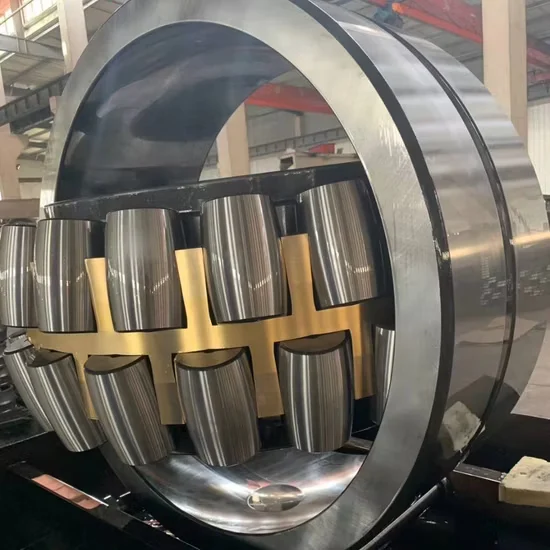
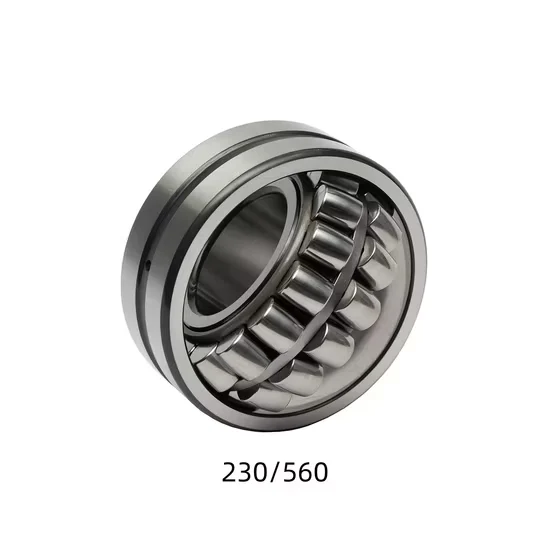
KOYO bearings mentioned above
The KOYO models discussed here are available from Part Number Company, either from Greenville stock or by KOYO factory order.
KOYO stock in Greenville, factory orders for the rest
Common KOYO models ship from our North American warehouse; ultra-precision, custom and rare specifications are ordered direct from KOYO, with full export and customs documents.
Check Stock for Your Models- Stock orders dispatched
- 3 working days
- North America warehouse
- Greenville, SC
- Trade terms
- EXW · FOB · CIF · DAP
- Shipping
- Express · Air · Sea
Keep reading
Related KOYO bearing articles

News & Cases / Industry News · · 6 min read
JTEKT Bearing Reuse and Reconditioning Evaluation Criteria Supplier
Accurate JTEKT bearing reconditioning evaluation criteria prevent unnecessary replacement costs and downtime in heavy industries by distinguishing reconditionable surface wear from structural fatigue. Applying…
Read the Article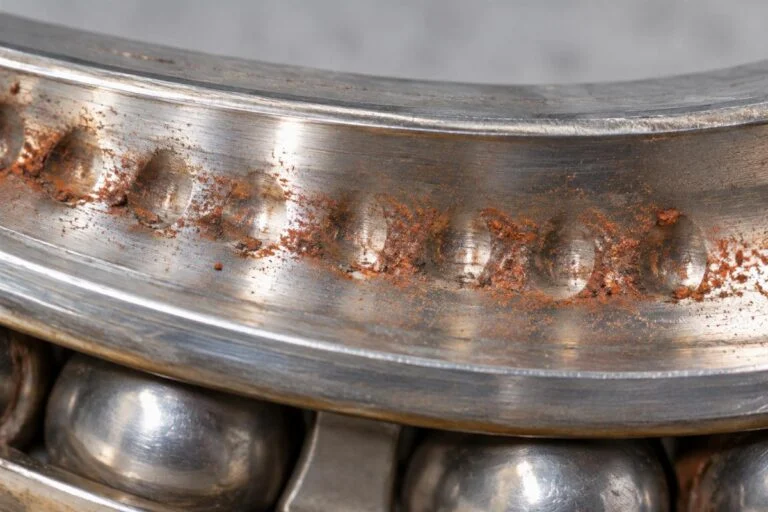
News & Cases / Industry News · · 7 min read
JTEKT False Brinelling Storage Damage Case Wholesale Supplier
Discover why raceway dents in False Brinelling JTEKT Bearings are transit-induced fretting wear rather than manufacturing defects. Learn how continuous low-frequency vibrations and long-term…
Read the Article
News & Cases / Industry News · · 8 min read
How to Assess Bearing Market Forecasts Relevant to JTEKT Buyers
Relying on general industry reports for a JTEKT bearing market forecast often leads to stockouts and inflated freight costs due to ignored factory-level bottlenecks.…
Read the ArticleRequest a Quote
Send your KOYO model list for a consolidated quote
Part Number Company quotes KOYO bearings, seals, lubrication and tools in one proforma invoice, with multi-currency pricing and the documents your customs and QC teams need.
- JTEKT KOYO authorization letter
- KOYO original quality certificate
- Certificate of origin
- Customs, shipping documents and tracking