KOYO Bearing Insights News & Cases / Industry News
Recurring JTEKT Pump Bearing Failure Analysis Wholesale Supplier
- Published
- By Part Number Company, Part Number Company
- Authorized KOYO Distributor

Most premature bearing failures are not caused by the bearing itself.
Recurring JTEKT pump bearing failure is rarely a defect in manufacturing. In the vast majority of field cases, the root cause lies in external operating conditions such as shaft misalignment, lubricant contamination, or improper installation practices. Replacing the bearing without addressing these underlying environmental factors will only lead to repeated downtime and increased maintenance costs.
I still remember the humidity and the relentless hum of the cooling water pumps at a cement plant in West Africa. The maintenance team was frustrated. They had replaced the JTEKT bearings three times in six months, yet each unit failed within weeks. The client was ready to blame the brand, convinced they had received a bad batch. Standing next to the vibrating housing, I could feel the irregular rhythm through my boots. It wasn’t the steel that was failing; it was the system. A quick check revealed significant angular misalignment and lubricant that looked more like sludge than oil. That day reinforced a truth I carry into every consultation: selling bearings is not just about quoting part numbers. It is about understanding the harsh reality of the field. When you ignore the operating environment, even the highest quality components will succumb to premature fatigue.

To stop the cycle of recurring failures, we must look beyond the component and investigate the system. This approach transforms maintenance from a reactive cost center into a strategic reliability function.
Why Do JTEKT Pump Bearings Keep Failing?
The assumption that a failed bearing indicates poor quality is a common misconception in industrial maintenance. In reality, the majority of premature failures originate from external operating environments rather than material defects. When a JTEKT bearing fails repeatedly in a pump application, it is often a symptom of a larger systemic issue.
Field data suggests that operational factors account for a significant portion of bearing distress. These factors include improper handling during installation, inadequate sealing against contaminants, and dynamic loads that exceed the design parameters. For distributors and MRO operators, recognizing this distinction is critical. Simply swapping out the failed unit with an identical replacement does not solve the problem if the root cause remains unaddressed.
In my experience, clients who focus solely on the bearing part number often miss the subtle signs of environmental stress. For instance, a mining operation might face heavy vibration due to uneven terrain, while a marine cooling system deals with constant temperature fluctuations. Each scenario requires a different analytical approach. By shifting the focus from the component to the condition, we can identify why a specific JTEKT pump bearing failure occurred and prevent it from happening again. This perspective is essential for anyone managing inventory for diverse industrial applications.

Step 1: Inspecting Shaft Alignment and Housing Tolerances
Even minor deviations in shaft alignment can drastically reduce the fatigue life of a bearing. Angular or parallel misalignment introduces additional radial and axial loads that the bearing was not designed to handle. Over time, these excessive stresses cause premature spalling and cage damage.
When investigating a recurring JTEKT pump bearing failure, the first step is always to verify the alignment. Laser alignment tools provide precise measurements, but visual inspections can also reveal telltale signs. Look for uneven wear patterns on the rolling elements or evidence of overheating on one side of the outer ring.
Housing tolerances are equally important. If the housing bore is out of round or has incorrect clearance, the bearing outer ring may distort. This distortion changes the internal geometry of the bearing, leading to uneven load distribution. In one case involving a European water treatment facility, repeated failures were traced back to a slightly distorted housing caused by overtightened mounting bolts. Once the mounting procedure was corrected, the bearing life extended significantly.
For wholesale suppliers, offering technical guidance on alignment and mounting is a valuable service. It helps customers avoid the frustration of repeated replacements and builds trust in your expertise. Understanding these mechanical fundamentals allows you to recommend the right solutions, whether it is a self-aligning bearing or a specific mounting tool.

Step 2: Analyzing Lubricant Contamination and Degradation
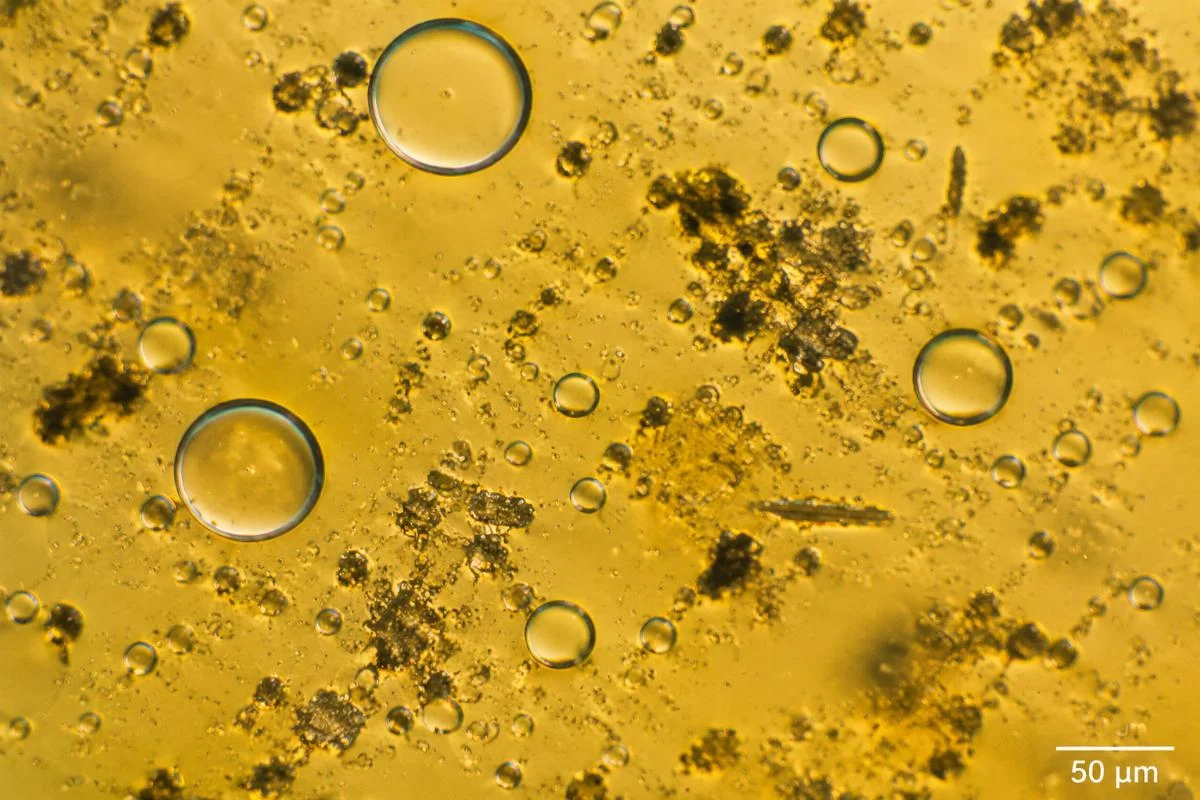
Lubrication is the lifeblood of any bearing system. However, it is also a primary vector for failure when contaminated. Water, dust, and metal particles can ingress into the bearing cavity, destroying the protective oil film and causing abrasive wear.
In humid environments or applications involving water pumps, moisture contamination is a persistent threat. Water reacts with the lubricant to form acids and emulsions, which corrode the bearing surfaces. Particulate contamination, such as silica dust in cement plants or iron ore in mining operations, acts like sandpaper inside the bearing.
Analyzing the used lubricant can provide crucial clues. Dark, thickened grease often indicates oxidation or thermal degradation, while a milky appearance suggests water contamination. Metal debris in the oil points to advanced wear or cage failure. By regularly monitoring lubricant condition, maintenance teams can detect issues before they lead to catastrophic failure.
Selecting the right lubricant and sealing solution is key. For harsh environments, high-performance greases with excellent water resistance and anti-wear additives are essential. Additionally, upgrading to more effective seals can prevent contaminants from entering the bearing chamber. As a supplier, having a broad portfolio of lubrication products and sealing options allows you to offer comprehensive solutions rather than just replacement parts.
Step 3: Evaluating Operational Load and Vibration
Pumps operate under dynamic conditions that vary widely across industries. Mining dewatering pumps face heavy shocks and vibrations, while marine cooling systems run continuously under stable but corrosive conditions. Matching the bearing type and clearance to these specific operational demands is crucial for longevity.
Vibration analysis is a powerful tool for diagnosing bearing health. Specific frequency patterns in the vibration spectrum can indicate early-stage defects such as inner race cracks or cage damage. By monitoring these signals, operators can schedule maintenance proactively, avoiding unplanned downtime.
Load conditions also dictate the choice of bearing. Heavy radial loads may require spherical roller bearings, while combined loads might be better suited for tapered roller bearings. Using a bearing with insufficient load capacity will lead to rapid fatigue, while an oversized bearing may not perform optimally due to internal clearance issues.
In our inventory, we maintain a comprehensive range of JTEKT bearings suitable for various pump applications. From deep-groove ball bearings for light loads to robust spherical roller bearings for heavy-duty missions, we ensure that our clients have access to the right components. Our technical team provides cross-brand equivalent consultation, helping distributors and OEMs select the most appropriate bearing for their specific field conditions. This support ensures that the chosen JTEKT pump bearing failure analysis leads to a reliable, long-term solution.

Conclusion
Solving recurring bearing issues requires a holistic view of the entire system.
Recurring JTEKT pump bearing failure is typically a signal of unresolved operational issues such as misalignment, contamination, or improper loading. By adopting a structured investigation plan that includes alignment checks, lubricant analysis, and vibration monitoring, maintenance teams can identify root causes and implement effective corrections. For distributors and end-users, partnering with a supplier who offers technical expertise and a diverse product range is essential for minimizing downtime and optimizing performance. Understanding the field conditions is the first step toward achieving reliable, long-lasting pump operation.
Target Industries
Industries and equipment where the KOYO products in this article are specified.
Written by the Part Number Company team
Part Number Company is an authorized KOYO distributor supplying JTEKT KOYO bearings, seals, lubrication, tools and condition monitoring parts from North American stock in Greenville, SC, plus KOYO factory orders for rare and custom specifications.
About Part Number Company and our KOYO authorizationProducts in this article
KOYO bearings mentioned above
The KOYO models discussed here are available from Part Number Company, either from Greenville stock or by KOYO factory order.

Deep Groove Ball Bearings
6203 Deep Groove Ball Bearing for Electric Motors
View Product
Deep Groove Ball Bearings
6006/6206/6306/6406 Deep Groove Ball Bearing
View Product
Deep Groove Ball Bearings
6204 Deep Groove Ball Bearing 20×47×14 mm
View Product
Deep Groove Ball Bearings
6003 Deep Groove Ball Bearing for Fan Equipment
View ProductKOYO stock in Greenville, factory orders for the rest
Common KOYO models ship from our North American warehouse; ultra-precision, custom and rare specifications are ordered direct from KOYO, with full export and customs documents.
Check Stock for Your Models- Stock orders dispatched
- 3 working days
- North America warehouse
- Greenville, SC
- Trade terms
- EXW · FOB · CIF · DAP
- Shipping
- Express · Air · Sea
Keep reading
Related KOYO bearing articles

News & Cases / Industry News · · 6 min read
JTEKT Bearing Reuse and Reconditioning Evaluation Criteria Supplier
Accurate JTEKT bearing reconditioning evaluation criteria prevent unnecessary replacement costs and downtime in heavy industries by distinguishing reconditionable surface wear from structural fatigue. Applying…
Read the Article
News & Cases / Industry News · · 7 min read
JTEKT False Brinelling Storage Damage Case Wholesale Supplier
Discover why raceway dents in False Brinelling JTEKT Bearings are transit-induced fretting wear rather than manufacturing defects. Learn how continuous low-frequency vibrations and long-term…
Read the Article
News & Cases / Industry News · · 8 min read
How to Assess Bearing Market Forecasts Relevant to JTEKT Buyers
Relying on general industry reports for a JTEKT bearing market forecast often leads to stockouts and inflated freight costs due to ignored factory-level bottlenecks.…
Read the ArticleRequest a Quote
Send your KOYO model list for a consolidated quote
Part Number Company quotes KOYO bearings, seals, lubrication and tools in one proforma invoice, with multi-currency pricing and the documents your customs and QC teams need.
- JTEKT KOYO authorization letter
- KOYO original quality certificate
- Certificate of origin
- Customs, shipping documents and tracking