KOYO Bearing Insights News & Cases / Industry News
Premature Bearing Failure in Pumps: Wholesale Suppliers
- Published
- By Part Number Company, Part Number Company
- Authorized KOYO Distributor

Most early pump bearing failures are not quality defects. They are application mismatches.
Premature pump bearing failure typically stems from incorrect internal clearance selection, improper lubrication viscosity matching, or unverified thermal expansion conditions rather than manufacturing flaws. A systematic failure analysis focusing on these operational parameters is the most effective way to extend centrifugal pump bearing lifespan and reduce unplanned downtime.
I still remember the chill of a Qingdao port warehouse when I opened a container of cylindrical roller bearings destined for a chemical plant. The paperwork was perfect. The brands were genuine. Yet, months later, the client reported catastrophic seizures. The bearings had not failed due to poor steel quality. They had failed because the standard clearance class could not handle the thermal expansion generated by the high-temperature process fluid. That incident shifted my entire approach to sourcing. I stopped looking at bearings as isolated components and started viewing them as part of a dynamic system involving heat, speed, and media. This perspective is critical for any buyer navigating the complex landscape of premature pump bearing failure in pumps wholesale suppliers markets.
Understanding why these failures occur requires moving beyond surface-level assumptions. It demands a deep dive into the physics of rotating equipment and the specific demands of industrial applications.
Why Do Pump Bearings Fail Prematurely?
The assumption that a failed bearing indicates a bad batch is a common misconception. In reality, the majority of premature failures result from a mismatch between the bearing’s design limits and the actual operating environment. When a pump operates outside its designed thermal or mechanical envelope, even the highest precision bearing will succumb to stress.
One primary culprit is thermal expansion. As pump casings and shafts heat up during operation, they expand. If the bearing internal clearance is too tight, this expansion eliminates the necessary running gap, leading to metal-to-metal contact and rapid temperature rise. This is particularly prevalent in chemical processing where fluid temperatures fluctuate widely. Another frequent cause is lubrication breakdown. Many operators believe that adding more grease prevents wear. However, over-greasing causes churning friction, which generates excessive heat and degrades the lubricant’s viscosity ratio, effectively starving the bearing of proper film strength.
Contamination also plays a significant role, especially in slurry pumps. When seals fail, abrasive particles enter the bearing housing. These particles act like grinding paste, accelerating wear on raceways and rolling elements. The rate of lubricant degradation in such environments can be drastic, often requiring more frequent maintenance intervals than standard guidelines suggest. Recognizing these root causes is the first step in selecting the right components from premature pump bearing failure in pumps wholesale suppliers.
How to Conduct a Systematic Failure Analysis?
A structured approach to failure analysis prevents repeat incidents. Instead of simply replacing the failed component, technicians should document the condition of the bearing before removal. This forensic approach provides data that informs future selection decisions.
Start with a visual inspection of the bearing and surrounding components. Look for signs of false brinelling, which indicates vibration during standby periods, or smearing, which points to sliding motion under load. Check the lubricant for discoloration or particulate matter. Dark, burnt-smelling grease suggests overheating, while gritty residue indicates contamination. Next, measure the shaft and housing dimensions to verify if they remain within tolerance. Thermal distortion can alter these fits, affecting bearing performance even after replacement.
Analyze the operating history. Did the failure occur shortly after startup, suggesting an installation error? Or did it happen after a period of stable operation, pointing to gradual wear or changing process conditions? Reviewing maintenance logs can reveal if lubrication intervals were adhered to or if there were recent changes in pump speed or load. This data helps distinguish between random failures and systemic issues. By systematically gathering this information, buyers can provide precise feedback to premature pump bearing failure in pumps wholesale suppliers, ensuring that replacement units are better suited to the actual application.
What Are the Most Common Failure Modes in Pumps?
Identifying the specific pattern of damage allows for targeted corrective actions. Different failure modes point to distinct underlying causes, ranging from installation errors to operational extremes.
Thermal seizure is common in high-temperature applications. It manifests as blue or brown discoloration of the bearing steel and severe scoring on the raceways. This mode confirms that the internal clearance was insufficient for the thermal expansion experienced during operation. False brinelling appears as shallow depressions in the raceways, aligned with the position of the rolling elements. This occurs when vibration causes micro-movements between the balls and races while the pump is stationary, breaking down the lubricant film.
Smearing, or adhesive wear, presents as torn metal surfaces on the rolling elements or raceways. It typically results from inadequate lubrication viscosity or excessive preload, causing sliding instead of rolling. Contamination damage shows as dull, matte patches on the raceways, often accompanied by dents from hard particles. Each of these modes provides a clue. For instance, widespread smearing in a high-speed boiler feed pump might indicate that the angular contact bearing preload was set incorrectly for the operating speed. Understanding these patterns enables more informed discussions with premature pump bearing failure in pumps wholesale suppliers about technical specifications.
How to Select the Right Bearing and Clearance?
Selection is not just about matching part numbers. It requires aligning bearing specifications with the unique demands of the pump media, speed, and temperature. This is where technical consultation becomes invaluable.
For high-temperature chemical pumps, cylindrical roller bearings often require larger internal clearances, such as C3 or C4 classes, to accommodate thermal expansion without inducing preload. Standard clearance bearings may seize under these conditions. In contrast, high-speed applications like boiler feed pumps benefit from angular contact bearings with precise preload settings to maintain stiffness and control axial movement at speeds exceeding typical thresholds. The choice of lubricant is equally critical. The viscosity must be sufficient to maintain a separating film at operating temperature but not so high that it causes excessive drag during startup.
When dealing with contaminated environments like slurry pumps, sealing effectiveness is paramount. Bearings with integrated shields or those paired with robust external seals help prevent particle ingress. Additionally, considering the L10 life adjustment for contamination levels can provide a more realistic expectation of service life. Navigating these technical nuances often requires expertise beyond simple catalog lookup. Engaging with premature pump bearing failure in pumps wholesale suppliers who offer cross-brand equivalent matching and customized clearance solutions ensures that the selected bearing is optimized for the specific duty cycle.
Conclusion
Premature failure is a solvable problem. It requires shifting focus from price to precision.
By understanding the root causes of failure, conducting thorough analyses, and selecting bearings based on actual operating conditions rather than generic specifications, operators can significantly extend equipment life. The key lies in recognizing that every pump application has unique thermal, mechanical, and environmental demands. Addressing these through informed selection and proper maintenance transforms bearing performance from a recurring cost into a reliable asset.
Target Industries
Industries and equipment where the KOYO products in this article are specified.

Written by the Part Number Company team
Part Number Company is an authorized KOYO distributor supplying JTEKT KOYO bearings, seals, lubrication, tools and condition monitoring parts from North American stock in Greenville, SC, plus KOYO factory orders for rare and custom specifications.
About Part Number Company and our KOYO authorizationProducts in this article
KOYO bearings mentioned above
The KOYO models discussed here are available from Part Number Company, either from Greenville stock or by KOYO factory order.
KOYO stock in Greenville, factory orders for the rest
Common KOYO models ship from our North American warehouse; ultra-precision, custom and rare specifications are ordered direct from KOYO, with full export and customs documents.
Check Stock for Your Models- Stock orders dispatched
- 3 working days
- North America warehouse
- Greenville, SC
- Trade terms
- EXW · FOB · CIF · DAP
- Shipping
- Express · Air · Sea
Keep reading
Related KOYO bearing articles

News & Cases / Industry News · · 6 min read
JTEKT Bearing Reuse and Reconditioning Evaluation Criteria Supplier
Accurate JTEKT bearing reconditioning evaluation criteria prevent unnecessary replacement costs and downtime in heavy industries by distinguishing reconditionable surface wear from structural fatigue. Applying…
Read the Article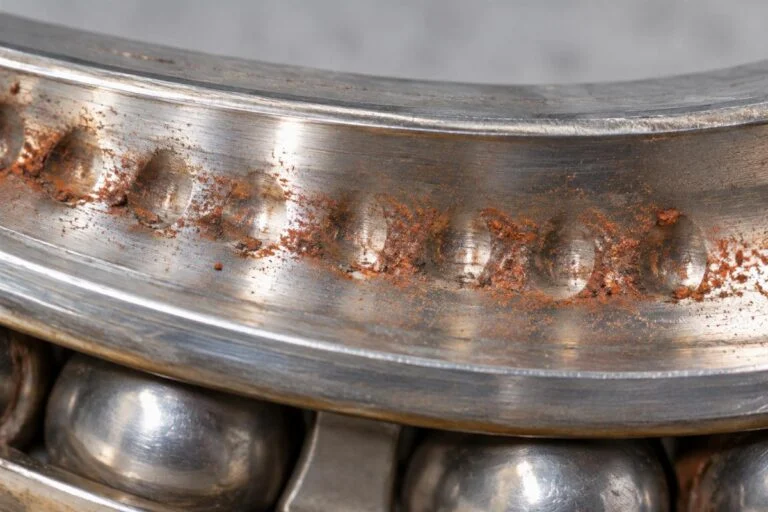
News & Cases / Industry News · · 7 min read
JTEKT False Brinelling Storage Damage Case Wholesale Supplier
Discover why raceway dents in False Brinelling JTEKT Bearings are transit-induced fretting wear rather than manufacturing defects. Learn how continuous low-frequency vibrations and long-term…
Read the Article
News & Cases / Industry News · · 8 min read
How to Assess Bearing Market Forecasts Relevant to JTEKT Buyers
Relying on general industry reports for a JTEKT bearing market forecast often leads to stockouts and inflated freight costs due to ignored factory-level bottlenecks.…
Read the ArticleRequest a Quote
Send your KOYO model list for a consolidated quote
Part Number Company quotes KOYO bearings, seals, lubrication and tools in one proforma invoice, with multi-currency pricing and the documents your customs and QC teams need.
- JTEKT KOYO authorization letter
- KOYO original quality certificate
- Certificate of origin
- Customs, shipping documents and tracking