KOYO Bearing Insights News & Cases / Industry News
JTEKT Bearing Temperature Rise in Fans Failure Investigation Supplier
- Published
- By Part Number Company, Part Number Company
- Authorized KOYO Distributor

Most fan bearing overheating is not caused by a lack of grease, but by too much of it.
JTEKT bearing temperature rise in fans is rarely a simple lubrication issue; it typically stems from improper installation fits, shaft misalignment, or the use of counterfeit components that fail under thermal stress. Effective resolution requires systematic failure investigation rather than immediate replacement without root cause analysis.
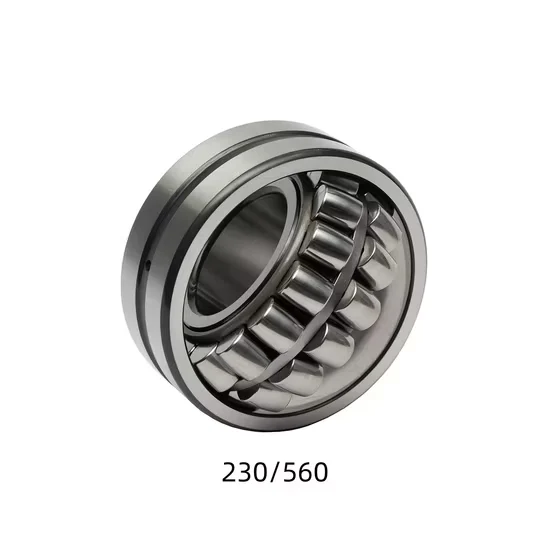
In my early days handling after-sales service for heavy industrial fans in Suzhou, I learned to dread the midnight calls reporting sudden temperature spikes. One particular case involved a large exhaust fan that had been running for less than a year before shutting down due to high heat alarms. When we dismantled the housing, the JTEKT spherical roller bearing showed severe cage deformation, and the grease inside had turned into a hard, dry cake. The maintenance team had been adding grease weekly, believing it would cool the bearing. Instead, the churning friction from over-greasing generated excessive heat, destroying the lubricant film and leading to premature failure. This experience shifted my focus from simple part swapping to deep-dive failure analysis, where I now help clients identify the real culprits behind thermal issues.

Understanding why these failures happen is critical for MRO operators and distributors who need to minimize unplanned downtime. The following sections break down the primary symptoms, installation errors, and material risks associated with fan bearing operations.
What are the primary symptoms of JTEKT bearing temperature rise in fans?
Early detection of thermal warnings and abnormal noise can prevent catastrophic fan shutdowns.
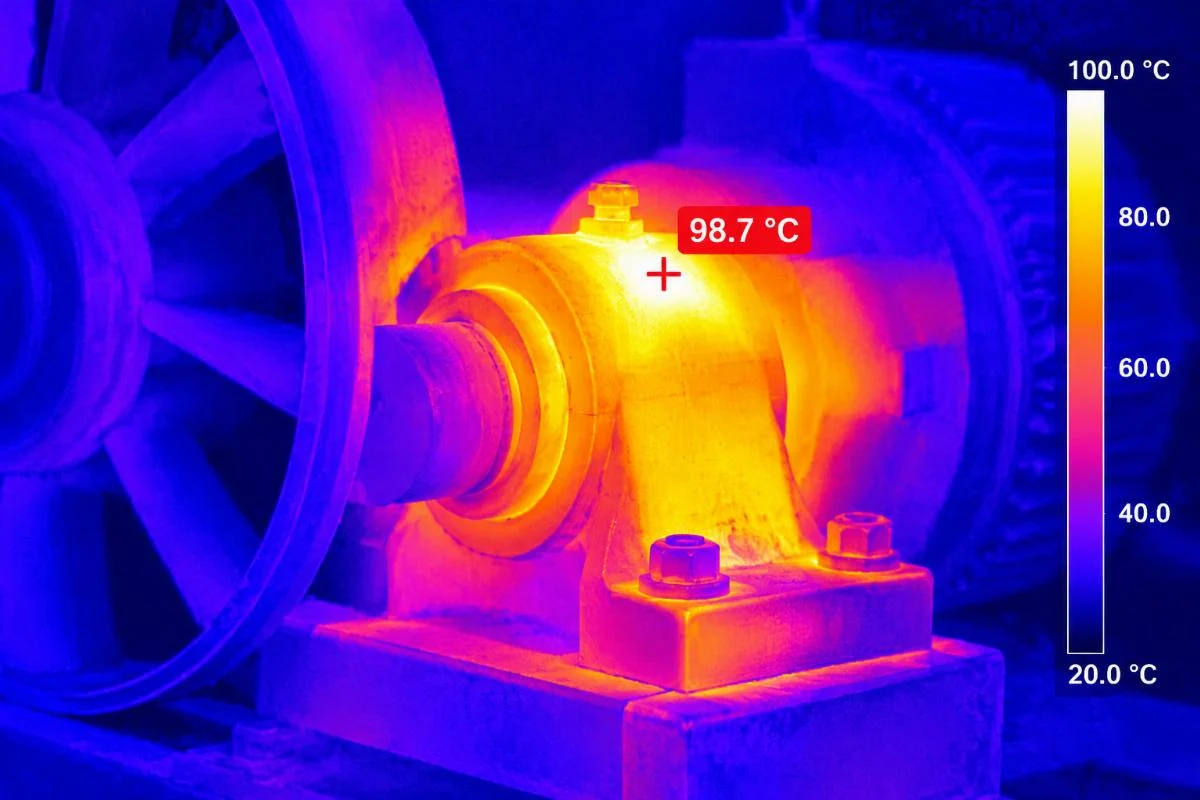
Before a fan fails completely, it usually sends clear signals. The most obvious indicator is a steady increase in housing temperature, often detectable via infrared thermography. However, relying solely on temperature sensors can be misleading if the sensor placement is poor. Vibration spectrum analysis is a more reliable method for early fault detection, as it can identify specific frequency patterns associated with inner race defects or cage wear before significant heat buildup occurs.
In a recent project for a cement plant in Southeast Asia, the maintenance team noticed a slight hum from the cooling fan that changed pitch with load variations. Standard temperature checks showed normal readings, but vibration data revealed irregular spikes. Upon inspection, we found that the rolling elements were beginning to spall due to electrical fluting, a condition often mistaken for simple wear. Replacing the unit with a genuine JTEKT bearing and installing proper grounding brushes resolved the issue. Without this diagnostic step, the bearing would have likely seized within weeks, causing extensive secondary damage to the fan impeller.
Another key symptom is the change in lubricant color and consistency. Fresh grease should remain semi-translucent and soft. If it appears dark, gritty, or separated, it indicates contamination or thermal breakdown. In many cases, the presence of metal particles in the grease suggests that the bearing surfaces are already grinding against each other. Regular oil analysis or grease sampling can provide verifiable evidence of internal wear, allowing for planned replacements during scheduled maintenance windows rather than emergency stops.
How do installation errors cause premature bearing overheating?
Incorrect shaft and housing fits destroy internal clearance, leading to rapid thermal escalation.
The majority of premature bearing failures are not due to manufacturing defects but to improper installation practices. When a bearing is mounted with excessive interference fit, the internal radial clearance is reduced. As the bearing operates and heats up, the inner ring expands further, potentially eliminating all remaining clearance. This results in high preload, increased friction, and a sharp rise in operating temperature.
I once investigated a cooling fan overheating issue where the temperature exceeded limits by a noticeable margin. The maintenance team insisted the bearing was defective. However, precise measurement of the shaft and housing revealed that the shaft diameter was at the upper limit of its tolerance, while the bearing bore was at the lower limit. This combination created an overly tight fit that crushed the internal clearance. By selecting a bearing with a C3 radial clearance and verifying the shaft dimensions before installation, we restored normal operating temperatures. This case highlights the importance of matching bearing clearance classes to the specific fit requirements of the application.
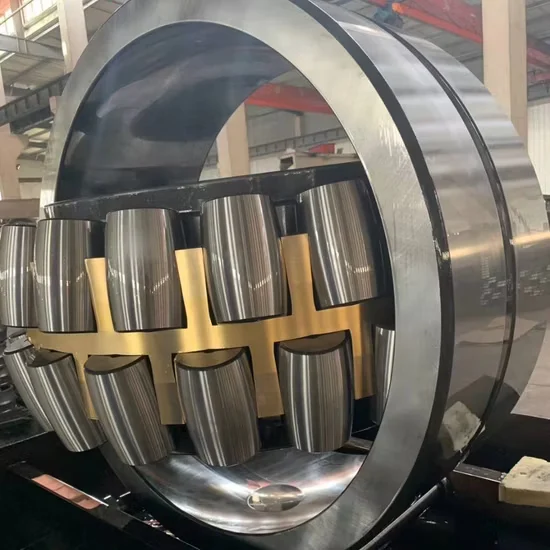
Misalignment is another silent killer. Even minor angular misalignment between the fan shaft and the motor can cause uneven load distribution across the rolling elements. This localized stress generates heat and accelerates fatigue. Using laser alignment tools during installation ensures that the shafts are co-linear, reducing edge loading on the bearing races. For spherical roller bearings, which are designed to accommodate some misalignment, exceeding their self-alignment capacity still leads to premature failure. Proper training for installation teams on using hydraulic nuts and induction heaters can significantly reduce fitting-related errors.
| Installation Factor | Correct Practice | Common Error | Consequence |
|---|---|---|---|
| Shaft Fit | Verified tolerance match | Forced mounting without heating | Reduced internal clearance |
| Alignment | Laser-aligned shafts | Visual alignment only | Uneven load distribution |
| Lubrication | Calculated volume based on speed | Over-greasing until purging | Churning friction and heat |
| Clearance Selection | Matched to operating temp | Standard clearance for all apps | Thermal expansion lockup |

Why does counterfeit JTEKT bearing fail faster under heavy loads?
Substandard steel and incorrect heat treatment in fake bearings lead to rapid fatigue and cage deformation.
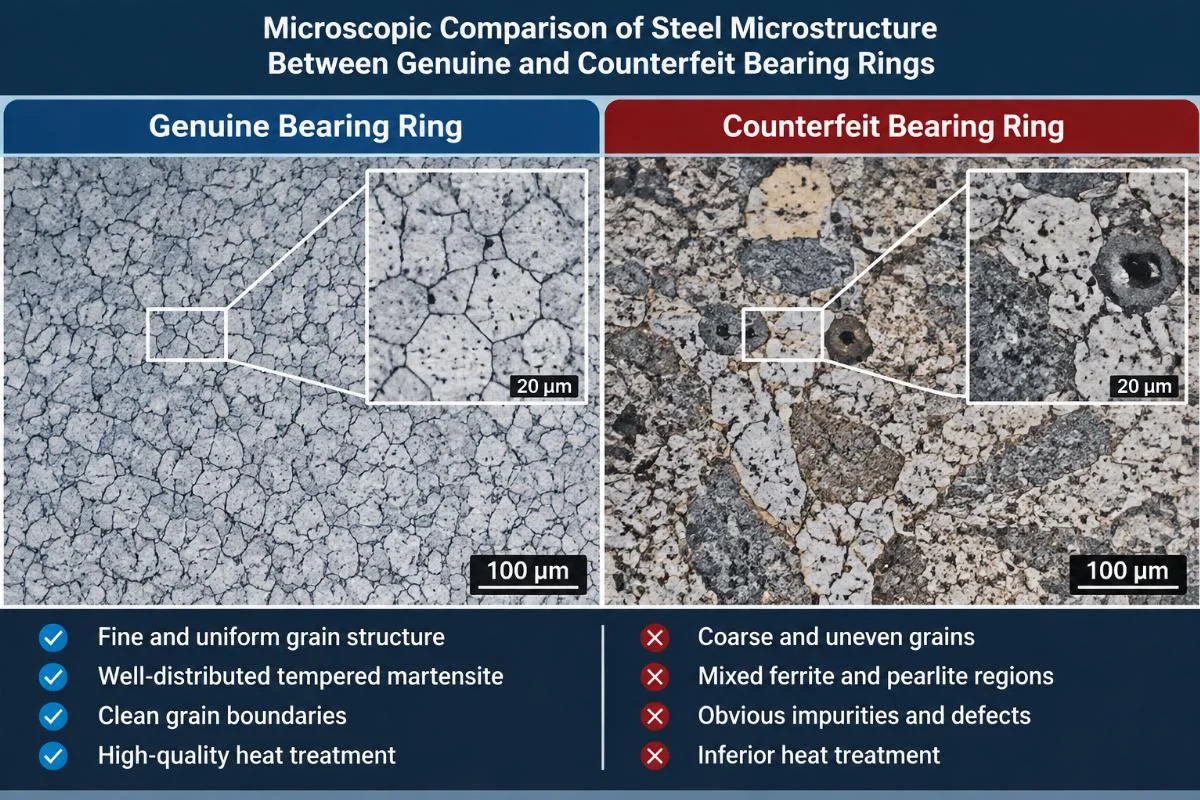
The market is flooded with counterfeit bearings that look identical to genuine products but lack the metallurgical integrity required for heavy-duty applications. In one incident, a distributor replaced failed bearings with what appeared to be authentic JTEKT units. Within months, the new bearings failed again. Microscopic analysis revealed that the steel used in the counterfeit parts had high inclusion density and inconsistent hardness, far below the standards required for industrial fan applications.
Genuine JTEKT bearings undergo rigorous quality control, including vacuum degassing to remove impurities and precise heat treatment to ensure uniform hardness. Counterfeit manufacturers often skip these steps to cut costs, resulting in bearings that are prone to early spalling and cage fracture. In heavy-load scenarios, such as those found in mining exhaust fans, these weaknesses are exposed quickly. The cage, which is critical for maintaining roller spacing, may deform under stress, leading to roller jamming and sudden seizure.
Traceability is the best defense against counterfeits. Genuine products come with complete documentation, including batch numbers and material certificates. When sourcing from a global supplier, verifying these documents ensures that the bearings meet ISO standards. For MRO operators, the cost of a genuine bearing is negligible compared to the downtime and repair costs associated with a counterfeit failure. Investing in authentic components from authorized channels protects both equipment integrity and operational continuity.
What is the standard procedure for investigating fan bearing failures?
A systematic teardown and measurement protocol identifies root causes and prevents recurrence.
When a fan bearing fails, simply replacing it is not enough. A structured investigation helps identify the underlying cause, whether it is lubrication, alignment, or load issues. The first step is to document the failure conditions, including operating hours, load profiles, and maintenance history. This data provides context for the physical inspection.
Next, perform a visual inspection of the bearing and surrounding components. Look for signs of corrosion, electrical damage, or foreign particle contamination. Measure the shaft and housing dimensions to check for wear or out-of-tolerance conditions. Use precision instruments to verify the internal clearance of the failed bearing, comparing it to the original specifications. If the clearance is significantly reduced, it suggests over-preloading or thermal expansion issues.
Lubricant analysis is also crucial. Check for discoloration, odor, and the presence of metal particles. Sending a sample to a lab can reveal contamination types and degradation levels. Finally, review the installation records. Were proper tools used? Was the bearing heated correctly? Identifying gaps in the installation process helps train maintenance teams and prevent similar failures in the future. By following this protocol, operators can move from reactive repairs to proactive reliability management.

Conclusion
Solving JTEKT bearing temperature rise in fans requires looking beyond the bearing itself.
Addressing thermal issues demands a holistic approach that includes proper installation, accurate alignment, and verified genuine components. By focusing on root cause analysis rather than quick fixes, operators can extend equipment life and reduce unplanned downtime. Trusting in traceable supply chains and adhering to technical standards ensures that every replacement contributes to long-term reliability.
Target Industries
Industries and equipment where the KOYO products in this article are specified.

Written by the Part Number Company team
Part Number Company is an authorized KOYO distributor supplying JTEKT KOYO bearings, seals, lubrication, tools and condition monitoring parts from North American stock in Greenville, SC, plus KOYO factory orders for rare and custom specifications.
About Part Number Company and our KOYO authorizationProducts in this article
KOYO bearings mentioned above
The KOYO models discussed here are available from Part Number Company, either from Greenville stock or by KOYO factory order.

KOYO stock in Greenville, factory orders for the rest
Common KOYO models ship from our North American warehouse; ultra-precision, custom and rare specifications are ordered direct from KOYO, with full export and customs documents.
Check Stock for Your Models- Stock orders dispatched
- 3 working days
- North America warehouse
- Greenville, SC
- Trade terms
- EXW · FOB · CIF · DAP
- Shipping
- Express · Air · Sea
Keep reading
Related KOYO bearing articles

News & Cases / Industry News · · 6 min read
JTEKT Bearing Reuse and Reconditioning Evaluation Criteria Supplier
Accurate JTEKT bearing reconditioning evaluation criteria prevent unnecessary replacement costs and downtime in heavy industries by distinguishing reconditionable surface wear from structural fatigue. Applying…
Read the Article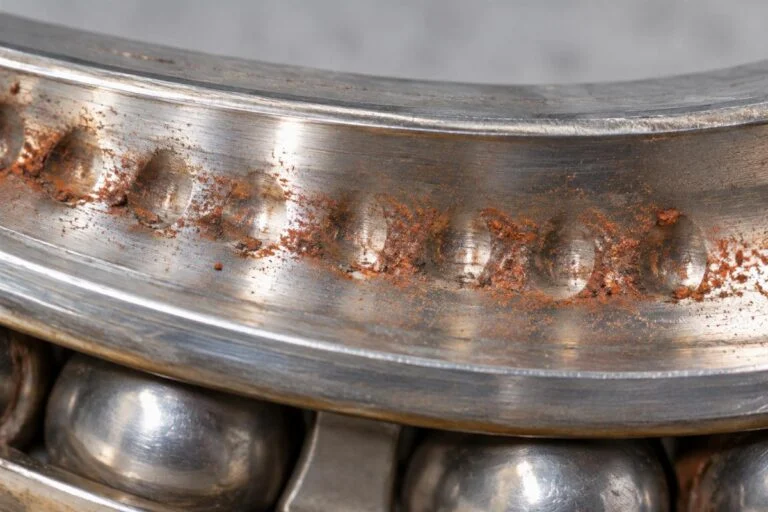
News & Cases / Industry News · · 7 min read
JTEKT False Brinelling Storage Damage Case Wholesale Supplier
Discover why raceway dents in False Brinelling JTEKT Bearings are transit-induced fretting wear rather than manufacturing defects. Learn how continuous low-frequency vibrations and long-term…
Read the Article
News & Cases / Industry News · · 8 min read
How to Assess Bearing Market Forecasts Relevant to JTEKT Buyers
Relying on general industry reports for a JTEKT bearing market forecast often leads to stockouts and inflated freight costs due to ignored factory-level bottlenecks.…
Read the ArticleRequest a Quote
Send your KOYO model list for a consolidated quote
Part Number Company quotes KOYO bearings, seals, lubrication and tools in one proforma invoice, with multi-currency pricing and the documents your customs and QC teams need.
- JTEKT KOYO authorization letter
- KOYO original quality certificate
- Certificate of origin
- Customs, shipping documents and tracking