KOYO Bearing Insights News & Cases / Industry News
JTEKT Bearing Friction & Energy Efficiency Bulk Supplier
- Published
- By Part Number Company, Part Number Company
- Authorized KOYO Distributor

Standard bearings often waste more energy than they save in high-speed applications.
Maximizing energy efficiency with JTEKT (KOYO) bearings requires matching specific internal clearances and lubricants to exact high-speed operating conditions, rather than defaulting to standard specifications. Selecting the correct variant prevents thermal expansion from creating internal preload, which is the primary driver of friction spikes and power loss in industrial motors.
I still remember the humidity in that Southeast Asian motor plant. The air was thick, and the hum of the assembly line was punctuated by the sharp complaint of a production manager. A batch of KOYO deep groove ball bearings had been installed in their new high-speed spindle motors. Within days, the units were overheating, and energy consumption metrics were soaring. The initial assumption was counterfeit goods. I inspected the packaging, the seals, and the raceways. They were genuine. The issue was not authenticity; it was application. The engineering team had specified standard internal clearance and general-purpose grease for a machine running at speeds that demanded C3 clearance and low-friction synthetic lubrication. The friction coefficient never dropped because the bearing was essentially fighting its own housing as it heated up. This incident shifted my perspective on sourcing. It is not enough to supply genuine parts; one must understand the mechanical dialogue between the bearing, the shaft, and the lubricant.

This experience underscores why technical selection matters as much as logistical capability. When you source from a JTEKT bearing friction energy efficiency bulk supplier, the goal is to align the component’s physical properties with the operational reality of the machinery.
Why Do Standard JTEKT Bearings Overheat in High-Speed Motors?
Standard clearances and greases cannot handle the thermal expansion and high RPM friction inherent in modern high-speed motors.
In many procurement scenarios, the default choice is a standard clearance bearing with general-purpose lithium grease. This approach works for low-speed, moderate-load applications like conveyor idlers or agricultural gearboxes. However, in high-speed electric motors or precision spindles, this default setting becomes a liability. As the motor runs, the inner ring heats up faster than the outer ring due to direct contact with the rotating shaft. Steel expands. If the internal clearance is too tight, this expansion eliminates the necessary play, creating a state of internal preload.
Preload increases friction torque exponentially. Instead of rolling smoothly, the balls are forced against the raceways with excessive pressure. This generates more heat, which causes more expansion, leading to a thermal runaway cycle. The result is not just premature failure but a significant drag on the motor’s efficiency.
I have seen this pattern repeat across multiple regions. A distributor in Latin America once reported a spike in warranty claims for pump motors. The bearings were failing due to thermal degradation of the grease, not material fatigue. The root cause was the same: standard clearance bearings in a high-RPM environment. Switching to a variant with optimized clearance allowed the bearing to accommodate thermal growth without generating excessive internal stress.
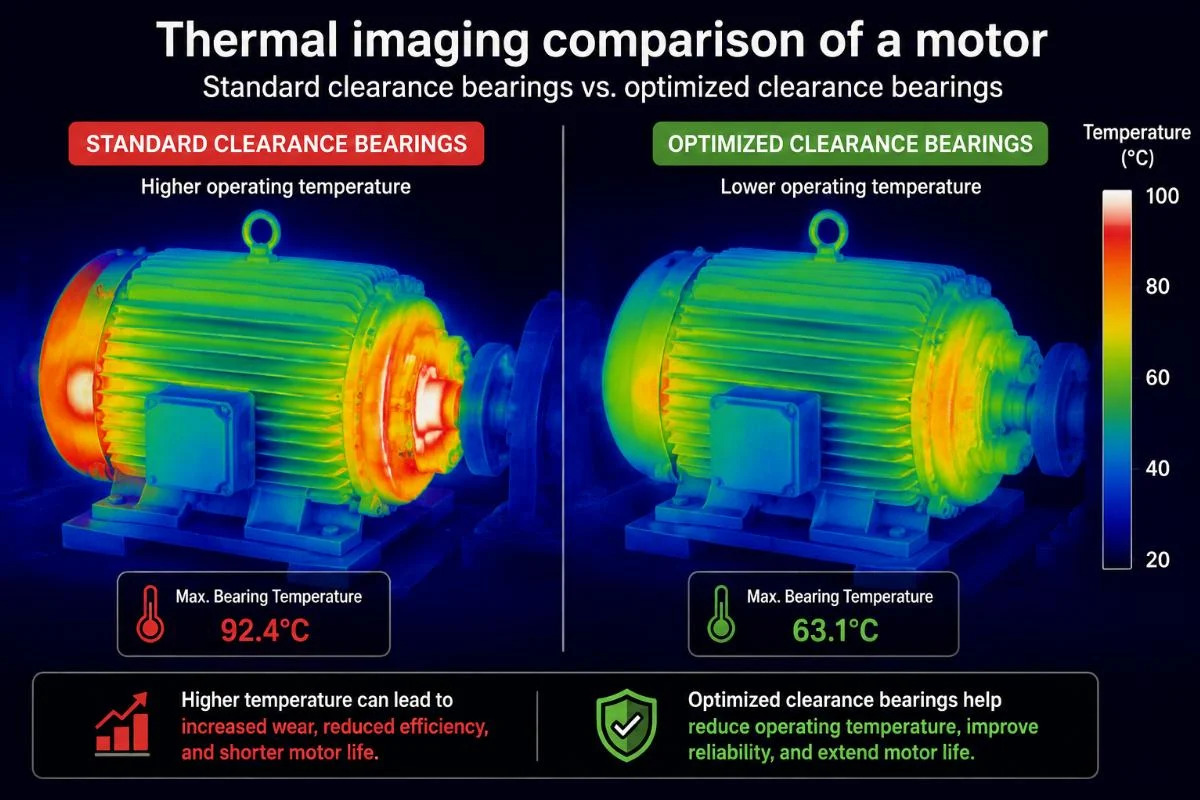
For buyers, this means that specifying “JTEKT bearing” is insufficient. You must specify the clearance class appropriate for the operating temperature and speed. Ignoring this detail turns a premium component into a bottleneck.
How to Select the Right Clearance for Energy Efficiency?
Matching C3 or C4 clearances to operating temperatures prevents internal preload and friction spikes.
Selecting the right clearance is a balancing act. Too loose, and the bearing suffers from vibration and noise; too tight, and it overheats. For high-speed applications, the industry standard often shifts from Normal (CN) clearance to C3 or even C4. These larger internal clearances provide the necessary room for thermal expansion.
The selection process involves analyzing the temperature differential between the inner and outer rings. In high-speed motors, this differential can be substantial. A bearing that fits perfectly at ambient temperature may become critically tight at operating temperature if the clearance is not adjusted.
| Operating Condition | Recommended Clearance | Friction Impact | Thermal Stability |
|---|---|---|---|
| Low Speed, Moderate Load | Normal (CN) | Standard | Stable |
| High Speed, Moderate Temp | C3 | Reduced | Improved |
| Very High Speed, High Temp | C4 | Minimized | Robust |
This table illustrates the qualitative shift in performance. Note that these are general guidelines. Specific applications may require precise calculation based on shaft and housing materials.
In my work with OEMs, I often see engineers default to CN clearance to minimize cost. However, the energy savings from reduced friction with C3 or C4 bearings in high-speed applications often outweigh the marginal price difference. A European wind farm operator once upgraded their generator bearings to a higher clearance class. The reduction in operating temperature was immediate, and the service intervals extended noticeably. This was not due to a change in brand, but a change in specification.
When sourcing from a JTEKT bearing friction energy efficiency bulk supplier, ensure that the part numbers explicitly reflect the required clearance. A suffix indicating C3 or C4 is critical. Without it, you may receive standard clearance units that will struggle in your application.

The Hidden Impact of Lubricants on Friction and Power Draw
Choosing low-friction greases and optimal fill volumes directly reduces energy consumption.
Even with the perfect clearance, a bearing can underperform if the lubricant is mismatched. Many assume that low-friction bearings are solely about the steel and geometry. In reality, the lubricant film is the primary barrier preventing metal-to-metal contact. The wrong grease can negate all the benefits of a premium bearing design.
High-speed applications require lubricants with lower base oil viscosity to minimize churning losses. Thick greases create significant drag at high RPMs, acting like a brake rather than a protector. Additionally, the fill volume is crucial. Over-greasing is a common error. Excess grease churns within the bearing cavity, generating heat and increasing friction torque.
I recall a case involving an industrial pump manufacturer. They were using a high-viscosity grease designed for heavy-load, low-speed crushers in their high-speed centrifugal pumps. The energy draw was higher than expected, and the bearings ran hot. By switching to a low-friction synthetic grease with a lower base oil viscosity and reducing the fill volume to the recommended thirty percent, they saw a noticeable drop in power consumption.
| Lubricant Factor | High-Speed Application Requirement | Impact on Efficiency |
|---|---|---|
| Base Oil Viscosity | Low to Medium | Reduces churning losses |
| Grease Type | Synthetic/Low-Friction | Minimizes shear resistance |
| Fill Volume | 30-40% of free space | Prevents excessive churning |
These adjustments are small but cumulative. In a facility with hundreds of motors, the aggregate energy savings can be substantial.
Sourcing the right lubricant is as important as sourcing the bearing itself. Some suppliers offer pre-lubricated options with specialized greases for high-speed applications. This ensures consistency and eliminates the risk of manual over-greasing during assembly. When engaging with a JTEKT bearing friction energy efficiency bulk supplier, inquire about lubrication options that match your specific RPM and temperature profile.

Real-World Applications: Upgrading to JTEKT Low-Friction Series
Case narratives show efficiency gains in motors and pumps through targeted upgrades.
Theoretical benefits mean little without practical validation. Several real-world scenarios highlight how proper selection of JTEKT low-friction series components translates into tangible operational improvements.
In one instance, a textile machinery OEM in Southeast Asia was facing frequent motor failures. Their machines operated at high speeds to maximize throughput. The original equipment used standard bearings that struggled with the thermal load. After analyzing the actual RPM and thermal expansion data, we recommended switching to JTEKT bearings with C3 clearance and a low-friction grease formulation. The result was a significant drop in operating temperatures and a noticeable extension in service life. The customer reported fewer unplanned downtimes and lower maintenance costs.
Another case involved a mining operation in Africa. Their slurry pumps were consuming excessive power. The bearings were subject to high loads and moderate speeds. By upgrading to a JTEKT low-friction series designed for such conditions, they observed an improvement in overall motor efficiency. The reduction in friction torque meant the motors did not have to work as hard to maintain the same output, leading to lower electricity bills.
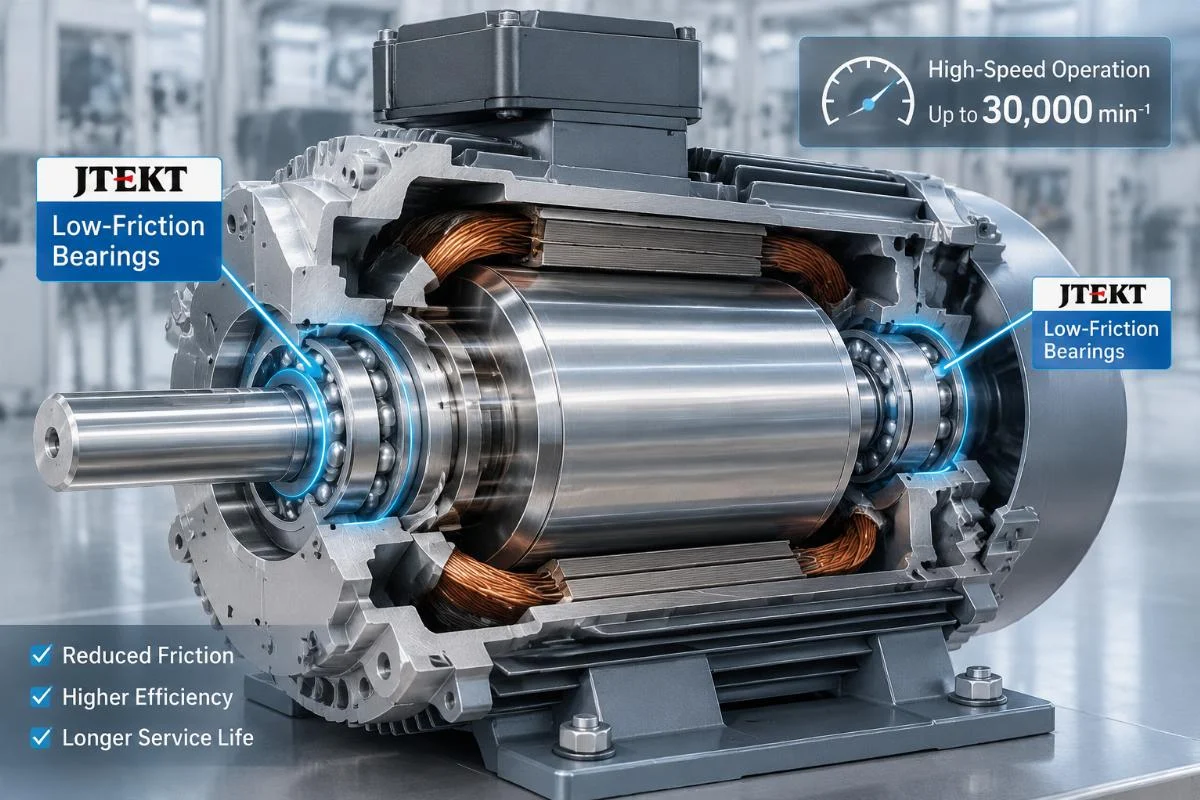
These examples demonstrate that energy efficiency is not just about buying a “green” product. It is about engineering the right solution for the specific working environment. A JTEKT bearing friction energy efficiency bulk supplier can provide the technical support needed to make these informed choices. This includes cross-brand technical selection support to ensure that the replacement parts meet or exceed the original specifications while optimizing for energy savings.
For MRO scenarios, this approach is particularly valuable. Frequent replacements due to thermal degradation can be solved by analyzing the root cause and selecting the correct variant. This extends service intervals and reduces the total cost of ownership.
Conclusion
Energy efficiency in bearing applications is driven by precise technical matching, not just brand selection.
Optimizing performance requires attention to internal clearance, lubricant viscosity, and fill volume. Standard specifications often fail in high-speed environments, leading to overheating and energy waste. By selecting the appropriate JTEKT variants and lubricants, operators can achieve noticeable improvements in efficiency and reliability. This technical precision transforms a simple component purchase into a strategic investment in operational sustainability.
Target Industries
Industries and equipment where the KOYO products in this article are specified.

Written by the Part Number Company team
Part Number Company is an authorized KOYO distributor supplying JTEKT KOYO bearings, seals, lubrication, tools and condition monitoring parts from North American stock in Greenville, SC, plus KOYO factory orders for rare and custom specifications.
About Part Number Company and our KOYO authorizationProducts in this article
KOYO bearings mentioned above
The KOYO models discussed here are available from Part Number Company, either from Greenville stock or by KOYO factory order.

Deep Groove Ball Bearings
6203 Deep Groove Ball Bearing for Electric Motors
View Product
Deep Groove Ball Bearings
6006/6206/6306/6406 Deep Groove Ball Bearing
View Product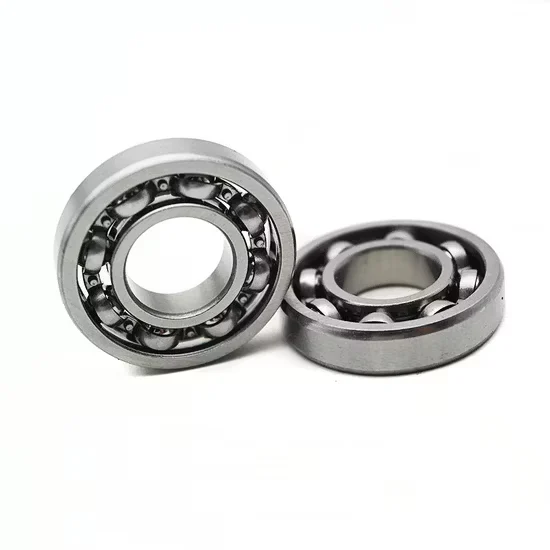
Deep Groove Ball Bearings
6204 Deep Groove Ball Bearing 20×47×14 mm
View Product
Deep Groove Ball Bearings
6003 Deep Groove Ball Bearing for Fan Equipment
View ProductKOYO stock in Greenville, factory orders for the rest
Common KOYO models ship from our North American warehouse; ultra-precision, custom and rare specifications are ordered direct from KOYO, with full export and customs documents.
Check Stock for Your Models- Stock orders dispatched
- 3 working days
- North America warehouse
- Greenville, SC
- Trade terms
- EXW · FOB · CIF · DAP
- Shipping
- Express · Air · Sea
Keep reading
Related KOYO bearing articles

News & Cases / Industry News · · 6 min read
JTEKT Bearing Reuse and Reconditioning Evaluation Criteria Supplier
Accurate JTEKT bearing reconditioning evaluation criteria prevent unnecessary replacement costs and downtime in heavy industries by distinguishing reconditionable surface wear from structural fatigue. Applying…
Read the Article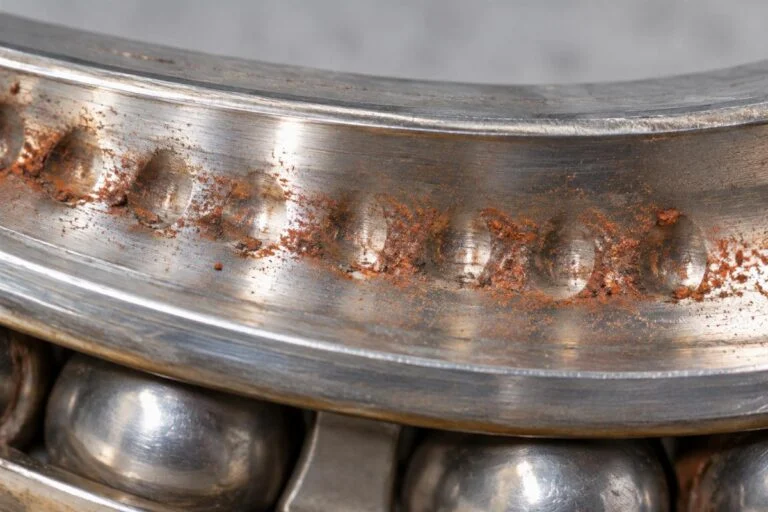
News & Cases / Industry News · · 7 min read
JTEKT False Brinelling Storage Damage Case Wholesale Supplier
Discover why raceway dents in False Brinelling JTEKT Bearings are transit-induced fretting wear rather than manufacturing defects. Learn how continuous low-frequency vibrations and long-term…
Read the Article
News & Cases / Industry News · · 8 min read
How to Assess Bearing Market Forecasts Relevant to JTEKT Buyers
Relying on general industry reports for a JTEKT bearing market forecast often leads to stockouts and inflated freight costs due to ignored factory-level bottlenecks.…
Read the ArticleRequest a Quote
Send your KOYO model list for a consolidated quote
Part Number Company quotes KOYO bearings, seals, lubrication and tools in one proforma invoice, with multi-currency pricing and the documents your customs and QC teams need.
- JTEKT KOYO authorization letter
- KOYO original quality certificate
- Certificate of origin
- Customs, shipping documents and tracking