KOYO Bearing Insights Installation & Maintenance
Safe Bearing Removal Methods for Industrial Maintenance Wholesale
- Published
- By Part Number Company, Part Number Company
- Authorized KOYO Distributor

Hammering a bearing off a shaft does not save time; it destroys the component and risks the entire machine.
Safe bearing removal requires controlled force application via hydraulic pullers or induction heating, strictly avoiding direct impact on rolling elements or localized thermal shock from open flames. This approach preserves shaft integrity, prevents micro-fractures in raceways, and ensures that replacement bearings seat correctly without premature failure.
The dust in the Andes has a way of settling into every crevice of your memory, especially when you are standing next to a crushed spherical roller bearing that was supposed to keep a primary crusher running. I arrived at a copper mine in Chile expecting to discuss warranty claims for a batch of premium brand bearings. Instead, I found a maintenance crew using sledgehammers and oxy-acetylene torches to remove seized units. The inner rings were shattered, the cages fragmented, and the shafts scored so deeply they required machining before any new bearing could be installed. The downtime cost far exceeded the price of the bearings themselves. This scene was not unique to South America; I have witnessed similar destructive practices in metallurgy plants across Southeast Asia and mining operations in Africa. The root cause is rarely a lack of tools, but a misunderstanding of how mechanical interference fits work under stress. Proper safe bearing removal methods are not just about extraction; they are about preserving the asset base of heavy industry.
Understanding why standard removal techniques fail is the first step toward adopting professional protocols. When a bearing is pressed onto a shaft, it creates an interference fit that relies on elastic deformation. Forcing this fit apart with blunt instruments bypasses elasticity and enters the realm of plastic deformation and fracture.
Why Do Bearings Fail During Removal?
Destructive removal methods create hidden damage that leads to immediate or early-life failure of the replacement unit.
Most maintenance teams believe that if a bearing comes off, the job is done. However, the method of removal dictates the condition of the mating surfaces. Direct hammering transfers kinetic energy through the rolling elements to the raceways. This causes brinelling—permanent indentations in the raceway—that may not be visible to the naked eye but will generate noise and vibration as soon as the new bearing is installed.
In one case at a steel mill in the Middle East, a team used an oxy-fuel torch to heat a seized cylindrical roller bearing. The intense, localized heat caused uneven thermal expansion. The inner ring expanded rapidly while the shaft remained relatively cool, creating extreme stress concentrations. When the bearing finally loosened, the sudden release of tension caused micro-cracks in the shaft surface. These cracks propagated under operational load, leading to a catastrophic shaft failure months later. The cost of replacing the shaft and the associated downtime was many times higher than the cost of the bearing itself.
Another common issue is shaft scoring. When pullers are misaligned or when makeshift tools like chisels are used, the soft steel of the shaft is gouged. A scored shaft prevents the new bearing from seating evenly, leading to misalignment and premature wear.
| Damage Type | Cause | Consequence |
|---|---|---|
| Raceway Brinelling | Direct hammer impact on rolling elements | Vibration, noise, early fatigue failure |
| Shaft Scoring | Misaligned pullers or chisel use | Poor seating, misalignment, reduced service life |
| Micro-cracking | Localized thermal shock from torches | Catastrophic shaft failure under load |
| Cage Fragmentation | Uneven force application | Debris contamination, locking of rolling elements |
The key insight is that the bearing is often sacrificial, but the shaft and housing are not. Safe bearing removal methods prioritize the preservation of these permanent components.
What Tools Are Required for Safe Extraction?
Hydraulic pullers and induction heaters replace hammers and torches as the standard for professional maintenance.
The right tool applies force evenly and controllably. Manual screw pullers are acceptable for small bearings, but for industrial applications, hydraulic systems are essential. They provide consistent pressure and can be equipped with safety valves to prevent overloading.
Induction heaters are another critical tool. Unlike open flames, induction heating generates heat within the metal itself through electromagnetic induction. This allows for uniform heating of the inner ring, causing it to expand evenly without affecting the shaft’s temper or causing oxidation. Temperature control is vital; most bearing manufacturers specify a maximum heating temperature to avoid altering the metallurgical structure of the steel.
For distributors and MRO operators, stocking these tools is as important as stocking the bearings themselves. Providing technical datasheets that specify the correct puller capacity for specific bearing sizes adds significant value to the supply chain. It shifts the conversation from price per unit to total cost of ownership.
| Tool Type | Application | Advantage |
|---|---|---|
| Hydraulic Puller | Medium to large bearings | Controlled force, even distribution, safety |
| Induction Heater | Tight interference fits | Uniform heating, no oxidation, precise temperature control |
| Mechanical Puller | Small to medium bearings | Portability, low cost for simple jobs |
| Slide Hammer | Restricted access areas | Ability to work in confined spaces |
Using the correct tool not only speeds up the process but also ensures that the removal is repeatable and safe for the operator. In high-volume maintenance environments, consistency is key to minimizing unplanned downtime.
How to Execute a Step-by-Step Safe Removal?
Following a sequential extraction protocol ensures zero collateral damage to shafts and housings.
The process begins with preparation. Clean the area around the bearing to remove dirt and debris that could fall into the mechanism or scratch the shaft. Inspect the bearing for any signs of previous damage that might affect the removal strategy.
- Select the Correct Puller: Choose a puller with jaws that fit securely behind the inner ring. Ensure the puller’s capacity exceeds the estimated removal force.
- Align the Puller: Center the puller on the shaft axis. Misalignment causes side loads that can bend the shaft or damage the puller threads. Use a dial indicator if necessary to verify alignment.
- Apply Force Gradually: For hydraulic pullers, pump slowly and monitor the pressure gauge. If the bearing does not move after reaching a certain pressure, stop. Do not exceed the manufacturer’s recommended pressure limit.
- Use Heat if Necessary: If the bearing is seized, apply heat using an induction heater. Heat the inner ring uniformly until it expands sufficiently. Avoid heating the outer ring or the housing.
- Extract the Bearing: Once the bearing loosens, continue to apply steady force until it is free. Support the bearing as it comes off to prevent it from falling and damaging the shaft or injuring personnel.
A common mistake is rushing the heating process. In a conveyor system maintenance scenario, a technician used a torch to heat a bearing quickly. The uneven heat caused the inner ring to warp, making it impossible to remove with a puller. The team had to cut the bearing off, which resulted in severe shaft damage. Using an induction heater would have prevented this by ensuring uniform expansion.
How to Inspect Housings and Shafts Post-Removal?
Proper inspection determines whether reconditioning or replacement is needed before installing the new bearing.
After removal, the shaft and housing must be inspected for damage. Look for scoring, burrs, or discoloration on the shaft surface. Use a micrometer to check the shaft diameter and ensure it is within tolerance. Any deviation can affect the fit of the new bearing.
Check the housing for cracks or deformation. If the housing is damaged, it may need to be repaired or replaced. Installing a new bearing into a damaged housing will lead to rapid failure. Clean the surfaces thoroughly to remove any residual grease, dirt, or metal particles.
In a wind farm maintenance operation, technicians noticed slight discoloration on a shaft after removing a bearing. Upon closer inspection, they found micro-cracks caused by previous overheating. The shaft was replaced before installing the new bearing, preventing a potential catastrophic failure during operation. This level of diligence is what separates professional maintenance from reactive repair.
For wholesalers, providing guidance on inspection criteria helps customers avoid repeat failures. Including inspection checklists with technical datasheets can enhance the perceived value of the product offering.
Conclusion
Safe bearing removal is a critical skill that protects equipment integrity and reduces long-term maintenance costs.
By replacing destructive habits with controlled techniques using hydraulic pullers and induction heaters, maintenance teams can extend component life and minimize unplanned downtime. Understanding the risks of hammering and open-flame heating allows for better decision-making in the field. For distributors and end-users, investing in the right tools and knowledge is as important as sourcing high-quality bearings. Implementing these safe bearing removal methods ensures that every replacement contributes to reliable, efficient industrial operations.
Target Industries
Industries and equipment where the KOYO products in this article are specified.

Written by the Part Number Company team
Part Number Company is an authorized KOYO distributor supplying JTEKT KOYO bearings, seals, lubrication, tools and condition monitoring parts from North American stock in Greenville, SC, plus KOYO factory orders for rare and custom specifications.
About Part Number Company and our KOYO authorizationProducts in this article
KOYO bearings mentioned above
The KOYO models discussed here are available from Part Number Company, either from Greenville stock or by KOYO factory order.
Radial Spherical Plain Bearings
Gez80es Gez90es Gez105es PTFE Liner Maintenance Free Spherical Plain Bearing Industrial Parts Bearing
View Product
Spherical Roller Bearings
230/1000 Spherical Roller Bearing
View Product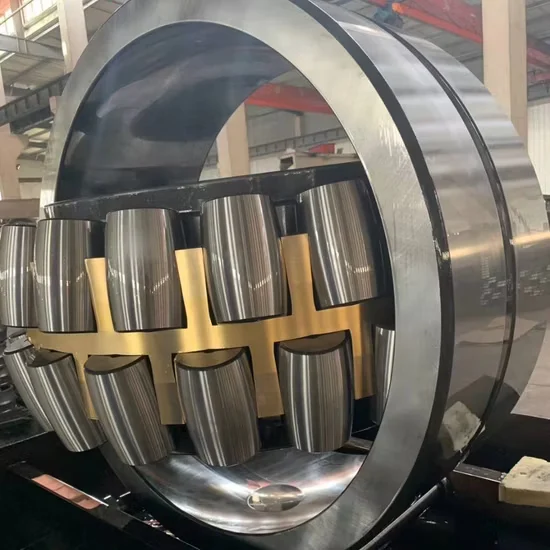
Spherical Roller Bearings
231/1000 Spherical Roller Bearing
View Product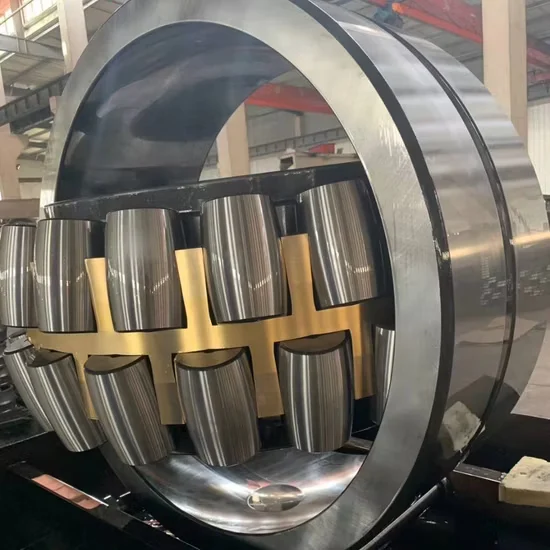
Spherical Roller Bearings
240/1000 Spherical Roller Bearing
View ProductKOYO stock in Greenville, factory orders for the rest
Common KOYO models ship from our North American warehouse; ultra-precision, custom and rare specifications are ordered direct from KOYO, with full export and customs documents.
Check Stock for Your Models- Stock orders dispatched
- 3 working days
- North America warehouse
- Greenville, SC
- Trade terms
- EXW · FOB · CIF · DAP
- Shipping
- Express · Air · Sea
Keep reading
Related KOYO bearing articles
Installation & Maintenance · · 8 min read
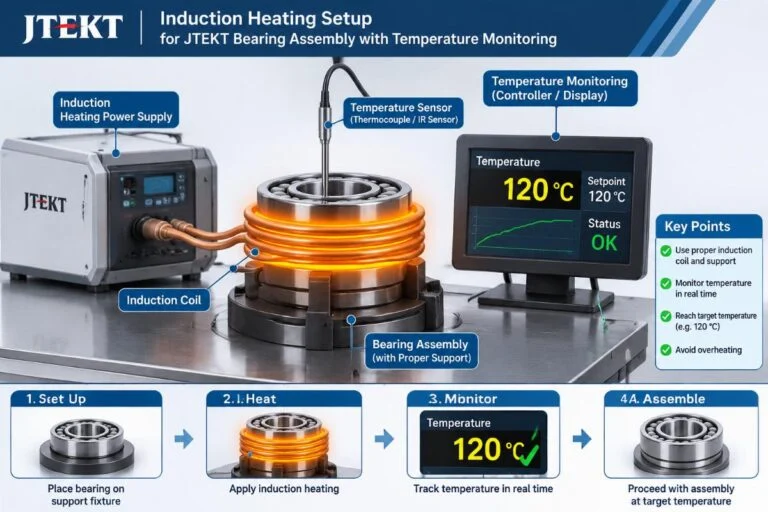
Wholesale JTEKT Bearing Assemblies: Temperature, Noise and Vibration
Properly handling the commissioning JTEKT bearing assemblies process prevents premature seizure caused by installation errors rather than manufacturing defects. Controlling initial run-in temperature, identifying…
Read the Article
Installation & Maintenance · · 7 min read
JTEKT Bearings for Standby Equipment Vibration Control Bulk Supplier
Master JTEKT bearings vibration damage control by correcting installation clearance and enforcing strict humidity control to eliminate startup spikes caused by micro-deformation. Discover proven…
Read the Article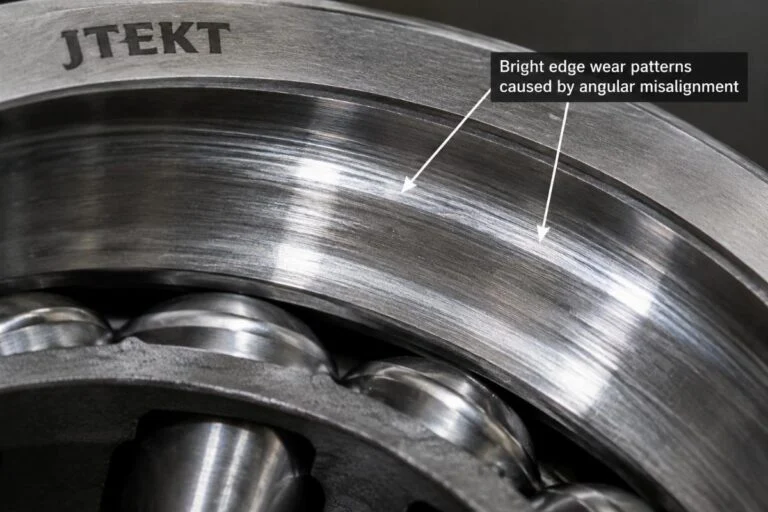
Installation & Maintenance · · 6 min read
Wholesale JTEKT Bearing Assemblies: Misalignment-Induced Loads
Execute precise JTEKT bearing misalignment diagnosis to prevent premature failures caused by sub-millimeter base unevenness and shaft deviation. Discover step-by-step installation checks for soft…
Read the ArticleRequest a Quote
Send your KOYO model list for a consolidated quote
Part Number Company quotes KOYO bearings, seals, lubrication and tools in one proforma invoice, with multi-currency pricing and the documents your customs and QC teams need.
- JTEKT KOYO authorization letter
- KOYO original quality certificate
- Certificate of origin
- Customs, shipping documents and tracking