KOYO Bearing Insights Brands & Alternatives
JTEKT Bearing Switching Approval Workflow & Wholesale Supplier
- Published
- By Part Number Company, Part Number Company
- Authorized KOYO Distributor

Identical outer dimensions do not guarantee identical performance.
The approval workflow for switching bearing brands requires a rigorous verification of internal clearance, material certification, and dimensional tolerance rather than relying solely on part number cross-references. Skipping these validation steps often leads to catastrophic equipment failure because metallurgy and manufacturing precision vary significantly between manufacturers, even when the external geometry appears identical.
Switching from a premium brand like JTEKT is not merely a procurement decision; it is an engineering risk management exercise. In my early days handling machine tool maintenance in Dongguan, I witnessed a production line halt because a client substituted a spindle bearing with a visually similar but unverified alternative. The replacement failed within months due to heat generation caused by improper internal clearance, resulting in downtime that cost far more than the initial savings. This experience underscores why a structured approval workflow for switching bearing brands is non-negotiable for MRO managers and OEMs seeking reliability.
Why Is a Strict Approval Workflow Crucial for Bearing Substitution?
Many procurement teams assume that if a bearing fits the housing and shaft, it will perform adequately. This assumption ignores the critical role of internal geometry and material purity in high-load or high-speed applications. A bearing is a precision component where microns matter. Without a formal approval workflow for switching bearing brands, organizations expose themselves to hidden risks such as premature fatigue, noise vibration, and sudden seizure.
The core argument for strict validation lies in traceability and specification adherence. When replacing JTEKT bearings, which are known for their consistent quality in automotive and industrial applications, the alternative must meet equivalent standards for steel cleanliness and heat treatment. Failure to verify these attributes can result in batch inconsistencies that only become apparent after installation.
Consider a case involving a heavy equipment operator in Southeast Asia. The maintenance team switched to a lower-cost alternative for a fleet of excavators without verifying the hardness profile of the rolling elements. Within a year, several units experienced raceway spalling, leading to unplanned repairs across the entire fleet. The cost of these repairs, including logistics and lost productivity, exceeded the initial procurement savings by a significant margin. This scenario highlights why the approval workflow for switching bearing brands must include technical cross-referencing and sample testing before full-scale adoption.
What Technical Parameters Must Be Verified When Replacing JTEKT?
Dimensional tolerance and internal clearance are the primary determinants of a bearing’s operational lifespan. While outer diameter, inner diameter, and width are standard, parameters such as radial internal clearance and running accuracy are often overlooked during substitution. A comprehensive approval workflow for switching bearing brands must prioritize these technical specifications to ensure compatibility with existing machinery.
| Parameter | JTEKT Standard Specification | Alternative Brand Requirement | Verification Method |
|---|---|---|---|
| Dimensional Tolerance | P0 / P6 (Standard/Precision) | Equivalent ISO Class | Micrometer measurement |
| Internal Clearance | C3 / C4 (Context dependent) | Matched to application | Feeler gauge or dial indicator |
| Material Certification | High-carbon chromium steel | Verified mill certificate | Spectroscopy analysis |
| Surface Finish | Controlled roughness | Equivalent Ra value | Profilometer check |
In one instance, an OEM designing a new gearbox encountered issues when switching suppliers. The alternative bearings had the same nominal dimensions but exhibited slight deviations in roundness and surface finish. These micron-level differences caused increased friction and heat buildup during endurance testing. By implementing a strict approval workflow for switching bearing brands, the engineering team identified the discrepancy early and adjusted the supplier selection criteria to include stricter geometric tolerance checks.
It is also essential to verify the origin and authenticity of the alternative brand. Counterfeit or substandard bearings often lack proper heat treatment, leading to rapid wear. Ensuring that the alternative supplier provides complete documentation, including material certificates and origin traces, is a critical step in the approval workflow for switching bearing brands. This documentation serves as proof of quality and helps mitigate the risk of introducing defective components into the supply chain.
How to Ensure Traceability and Authenticity of Alternative Brands?
Traceability is the backbone of quality assurance in bearing procurement. Without clear documentation, it is impossible to verify whether a bearing meets the required standards. A robust approval workflow for switching bearing brands must include mechanisms for tracking the product from the manufacturer to the end-user. This involves checking batch numbers, verifying certificates of conformity, and ensuring that the supplier has direct relationships with authorized distributors or manufacturers.
A common pitfall is relying on intermediaries who cannot provide verifiable origin documents. In such cases, the risk of receiving counterfeit or refurbished bearings increases significantly. For example, a mining operation in Africa purchased a bulk order of spherical roller bearings through a non-authorized channel. Upon installation, several bearings failed prematurely due to poor material quality. Investigation revealed that the bearings were not genuine and lacked proper traceability. This incident could have been avoided by adhering to a strict approval workflow for switching bearing brands that mandates verified supply chains.
To ensure authenticity, buyers should request detailed documentation such as material test reports, hardness testing results, and country of origin certificates. These documents should be cross-referenced with the manufacturer’s specifications. Additionally, engaging with suppliers who offer technical support and cross-brand equivalent model consultation can streamline the validation process. Such partners can provide insights into the performance characteristics of alternative brands, helping buyers make informed decisions.
What Are the Hidden Costs of Unapproved Bearing Substitution?
The immediate cost savings from switching to a cheaper bearing brand are often illusory. The hidden costs associated with unplanned downtime, collateral damage, and emergency logistics can far outweigh the initial procurement benefits. A well-defined approval workflow for switching bearing brands helps organizations avoid these pitfalls by ensuring that alternatives are technically viable and reliable.
Unplanned downtime is the most significant hidden cost. When a bearing fails unexpectedly, it can halt entire production lines, leading to lost revenue and delayed orders. In the case of the machine tool spindle mentioned earlier, the downtime lasted for several days while waiting for a replacement part. The cost of this downtime, including labor and lost production, was multiple times higher than the price difference between the original and the substitute bearing.
Collateral damage is another concern. A failing bearing can damage adjacent components such as shafts, housings, and seals. Repairing or replacing these components adds to the total cost of failure. Furthermore, emergency shipping fees for urgent replacements can be substantial, especially for international shipments. By implementing a rigorous approval workflow for switching bearing brands, companies can minimize the risk of such failures and maintain operational continuity.
Conclusion
Substitution without validation is a liability, not a saving.
A disciplined approval workflow for switching bearing brands protects operations from the severe consequences of component failure. By focusing on traceability, technical verification, and authentic sourcing, businesses can secure reliable alternatives without compromising performance. This approach ensures that every replacement bearing meets the stringent requirements of modern industrial applications, safeguarding both equipment integrity and operational efficiency.
Target Industries
Industries and equipment where the KOYO products in this article are specified.
Written by the Part Number Company team
Part Number Company is an authorized KOYO distributor supplying JTEKT KOYO bearings, seals, lubrication, tools and condition monitoring parts from North American stock in Greenville, SC, plus KOYO factory orders for rare and custom specifications.
About Part Number Company and our KOYO authorizationProducts in this article
KOYO bearings mentioned above
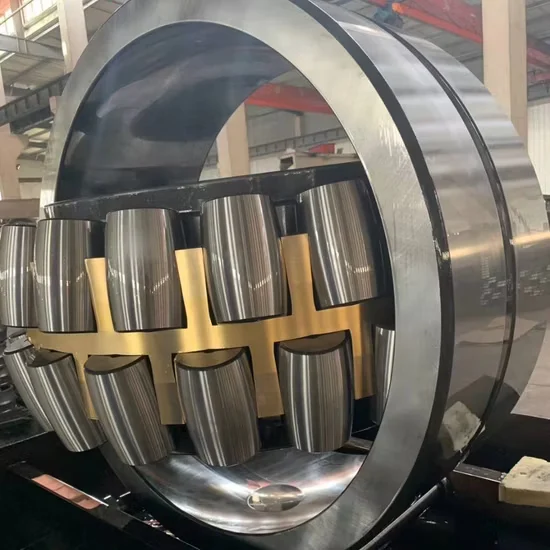
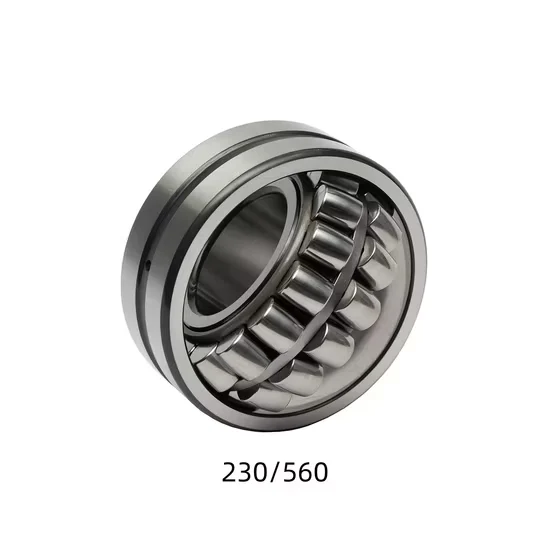
The KOYO models discussed here are available from Part Number Company, either from Greenville stock or by KOYO factory order.
KOYO stock in Greenville, factory orders for the rest
Common KOYO models ship from our North American warehouse; ultra-precision, custom and rare specifications are ordered direct from KOYO, with full export and customs documents.
Check Stock for Your Models- Stock orders dispatched
- 3 working days
- North America warehouse
- Greenville, SC
- Trade terms
- EXW · FOB · CIF · DAP
- Shipping
- Express · Air · Sea
Keep reading
Related KOYO bearing articles
Brands & Alternatives · · 7 min read
JTEKT Bearing Equivalents Cross-Reference Wholesale Supplier
Finding reliable JTEKT bearing equivalents requires more than matching basic dimensions, as ignoring internal clearance and dynamic load ratings causes catastrophic equipment failures. Verify…
Read the Article
Brands & Alternatives · · 7 min read
JTEKT & Timken Bearings Cross-Reference | Wholesale Supplier
A successful JTEKT Timken bearing cross-reference requires verifying internal clearances and cage materials, not just matching basic outer dimensions. Relying solely on dimensional matches…
Read the Article
Brands & Alternatives · · 7 min read
JTEKT Precision vs Standard Grades Wholesale Supplier: Cost & Application
Selecting between JTEKT precision vs standard grades requires balancing upfront costs against application tolerances to avoid costly transit failures. Precision grades like P4 demand…
Read the ArticleRequest a Quote
Send your KOYO model list for a consolidated quote
Part Number Company quotes KOYO bearings, seals, lubrication and tools in one proforma invoice, with multi-currency pricing and the documents your customs and QC teams need.
- JTEKT KOYO authorization letter
- KOYO original quality certificate
- Certificate of origin
- Customs, shipping documents and tracking