KOYO Bearing Insights Installation & Maintenance
JTEKT Bearing Grease Quantity: Avoiding Excess Lubrication Supplier
- Published
- By Part Number Company, Part Number Company
- Authorized KOYO Distributor

More grease does not mean better protection.
The correct JTEKT bearing grease quantity is typically 30% to 50% of the free space within the bearing housing for standard applications, adjusted downward for high-speed operations and upward for low-speed, heavy-load conditions. Over-lubrication causes churning, rapid temperature spikes, and seal failure, while under-lubrication leads to metal-to-metal contact. Calculating the exact fill ratio based on the speed factor and operating environment is critical for maximizing service life.
I still remember the humid air in a paper mill in Sumatra. The maintenance team was proud of their thoroughness, packing JTEKT bearings until grease oozed from every seal. They believed that if a little lubrication was good, a lot must be better. Within hours of startup, the rollers screamed. When we dismantled the unit, the heat had cooked the grease into a hard, carbonized sludge, and the plastic cage had warped beyond recognition. The failure was not due to a lack of lubricant, but an excess of it. This incident reinforced a fundamental truth in tribology: bearings do not run faster when they are full; they run cooler when they are properly filled.

Understanding the precise JTEKT bearing grease quantity requires moving beyond intuition and relying on calculated fill ratios. As a global supplier dealing with diverse industrial environments, I have seen how minor deviations in grease volume can lead to major operational disruptions. The following sections detail how to determine the correct amount, identify symptoms of error, and establish a sustainable maintenance routine.
Why Do JTEKT Bearings Fail from Excess Grease?
Excess grease creates a phenomenon known as churning. When a bearing rotates, the rolling elements* housing is packed too tightly, the grease cannot circulate or dissipate heat effectively. Instead, it acts as a viscous barrier, generating significant fluid friction. This internal friction converts mechanical energy into heat, causing the temperature inside the bearing to rise rapidly.
In high-speed applications, this effect is amplified. The centrifugal force pushes the grease against the outer ring and seals, creating immense pressure. If the pressure exceeds the seal’s design limit, the lip deforms or extrudes, allowing contaminants to* Once the seal is compromised, the bearing is exposed to dust, moisture, and debris, accelerating wear. In the Sumatra case, the high rotational speed of the paper machine rollers meant that even a small excess of grease generated enough heat to degrade the lubricant’s base oil and thickeners within hours.
Furthermore, excessive grease can restrict the movement of the rolling elements, increasing drag torque. This forces the motor to work harder, consuming more energy and potentially leading to premature motor failure. For precision ball bearings used in motor assemblies, strict gram-level control is necessary to prevent seal extrusion and ensure smooth, low-noise operation. The key takeaway is that grease serves to lubricate the contact surfaces and protect against corrosion, not to fill every void in the housing.

How to Calculate the Correct Grease Fill Ratio?
Determining the correct JTEKT bearing grease quantity involves calculating the free space available in the bearing and its housing. The free space is the volume not occupied by the bearing components themselves. A common rule of thumb is to fill 30% to 50% of this free space for general applications. However, this ratio must be adjusted based on the speed factor, often expressed as the DN value (bore diameter in mm multiplied by rotational speed in RPM).
For high-speed applications, where the DN value is high, the fill ratio should be reduced to approximately 20% to 30%. At these speeds, the grease needs room to move and dissipate heat. Conversely, for low-speed, heavy-load applications, such as mining conveyors, a higher fill ratio of 50% to 60% may be appropriate to ensure adequate film strength and protection against shock loads. In these scenarios, the risk of churning is lower due to the slower rotation, allowing for a more generous application of lubricant.
To calculate the exact amount, one must first determine the free space volume. This can be done using geometric formulas based on the bearing dimensions and housing size, or by referring to manufacturer tables. Once the free space is known, multiply it by the desired fill percentage. For example, if the free space is 100 cubic centimeters and the application requires a 30% fill, the required grease quantity is 30 cubic centimeters. It is crucial to use the density of the specific grease to convert this volume into weight if dispensing by mass.
| Application Type | Speed Condition | Recommended Fill Ratio of Free Space | Primary Risk if Incorrect |
|---|---|---|---|
| High-Speed Motors | High DN Value | 20% – 30% | Overheating due to churning |
| General Industrial | Moderate Speed | 30% – 50% | Balanced performance |
| Heavy Load Conveyors | Low Speed | 50% – 60% | Insufficient film strength if too low |
| Precision Instruments | Very High Speed | < 20% | Drag torque and seal damage |
This table provides a qualitative guide. Always consult the specific technical documentation for the bearing type and grease being used.

What Are the Field Symptoms of Over-Lubrication?
Identifying over-lubrication early can prevent catastrophic failure. The most immediate symptom is abnormal temperature rise. If a bearing runs significantly hotter than its historical baseline or adjacent units, excess grease is a likely culprit. Thermal imaging cameras can quickly detect these hot spots during routine inspections.
Another clear indicator is seal leakage. When the internal pressure builds up due to churning, grease is forced out past the seals. You may see fresh grease accumulating around the bearing housing or dripping onto nearby components. This not only wastes lubricant but also creates a messy environment that can attract dirt and debris. In some cases, the pressure can cause the seal to bulge or tear, compromising the bearing’s protection entirely.
Unusual noise is also a warning sign. Over-lubricated bearings may produce a muffled, squelching sound as the rolling elements struggle to move through the thick grease. In severe cases, the increased drag can cause vibration, which can be detected using vibration analysis tools. If you notice these symptoms, it is essential to purge the excess grease immediately. This can be done by running the bearing at low speed while carefully removing grease from the relief port, if available, or by disassembling and cleaning the unit.
A client in Southeast Asia reported persistent overheating in their high-speed rollers. Upon inspection, we found that the maintenance team had been filling the bearings to over 80% capacity. By reducing the fill ratio to the optimal 30-40%, we resolved the overheating issue and extended the bearing life significantly. This case highlights the importance of monitoring field symptoms and adjusting practices accordingly.

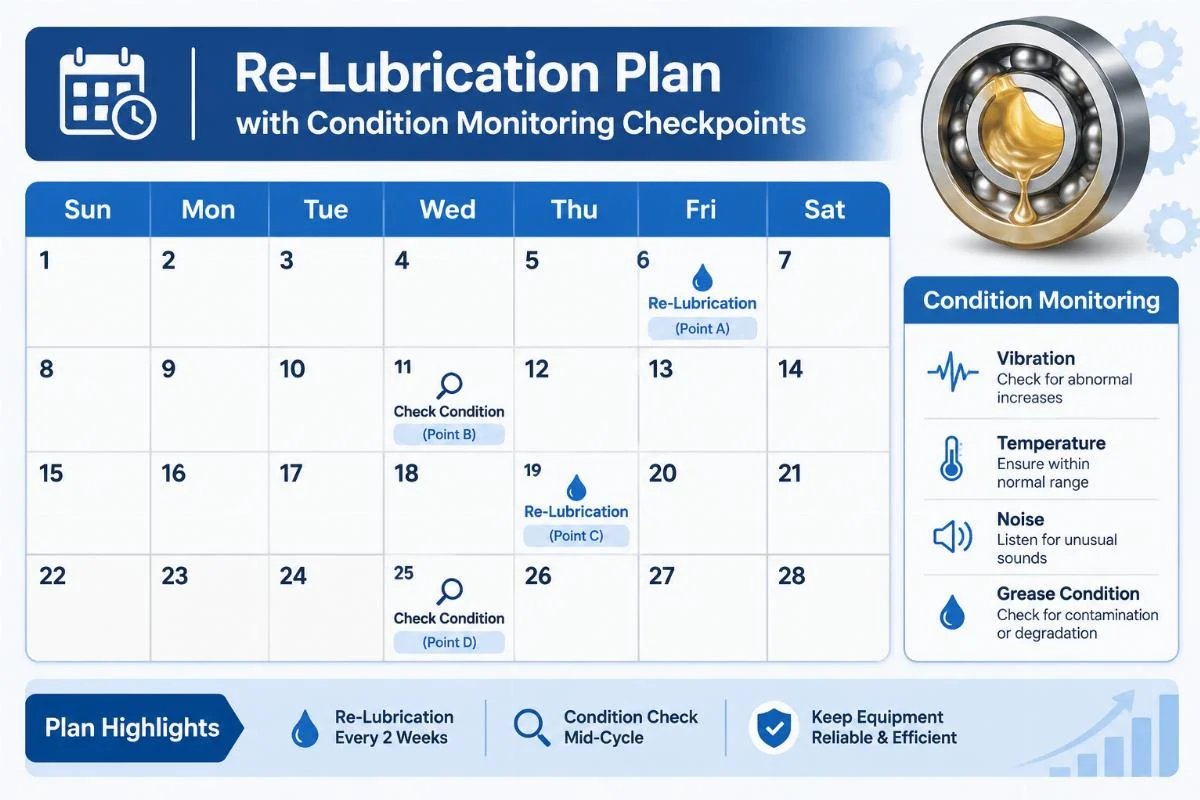
How to Establish a Scientific Re-lubrication Schedule?
Re-lubrication frequency is often more critical than the initial fill volume. A common mistake is to perform massive overhauls with large amounts of grease at long intervals. Instead, small, frequent top-ups are generally more effective. This approach ensures that fresh lubricant is continuously supplied to the contact surfaces while allowing old, degraded grease to be purged from the system.
The re-lubrication interval depends on several factors, including operating hours, temperature, load, and environmental conditions. High temperatures accelerate grease degradation, requiring more frequent replenishment. Similarly, harsh environments with dust or moisture may necessitate shorter intervals to maintain protective barriers. Manufacturers often provide charts or formulas to estimate re-lubrication intervals based on these parameters.
To establish a scientific schedule, start with the manufacturer’s recommended interval as a baseline. Then, adjust based on actual operating conditions. Use condition monitoring techniques such as oil analysis, vibration monitoring, and temperature tracking to fine-tune the schedule. If grease samples show signs of oxidation or contamination, shorten the interval. If the bearing remains cool and quiet, you may be able to extend it.
For example, in a mining conveyor application, we adjusted the re-lubrication schedule to involve smaller, more frequent grease additions. This allowed us to maintain a consistent 50-60% fill ratio without risking over-lubrication. The result was a noticeable extension in service life and a reduction in unplanned downtime. By treating lubrication as a dynamic process rather than a static task, you can optimize performance and reduce maintenance costs.
Conclusion
Precision in lubrication prevents premature failure.
Correctly determining the JTEKT bearing grease quantity is essential for reliable operation. By avoiding the trap of over-lubrication, calculating fill ratios based on speed and load, and implementing a scientific re-lubrication schedule, you can maximize bearing life and efficiency. Remember that more grease is not always better; the right amount at the right time is what matters. For those seeking genuine JTEKT bearings and technical support to ensure proper maintenance, our global supply network offers authentic products and expert guidance tailored to your specific industrial needs.
Target Industries
Industries and equipment where the KOYO products in this article are specified.

Written by the Part Number Company team
Part Number Company is an authorized KOYO distributor supplying JTEKT KOYO bearings, seals, lubrication, tools and condition monitoring parts from North American stock in Greenville, SC, plus KOYO factory orders for rare and custom specifications.
About Part Number Company and our KOYO authorizationProducts in this article
KOYO bearings mentioned above
The KOYO models discussed here are available from Part Number Company, either from Greenville stock or by KOYO factory order.

Deep Groove Ball Bearings
6203 Deep Groove Ball Bearing for Electric Motors
View Product
Deep Groove Ball Bearings
6006/6206/6306/6406 Deep Groove Ball Bearing
View Product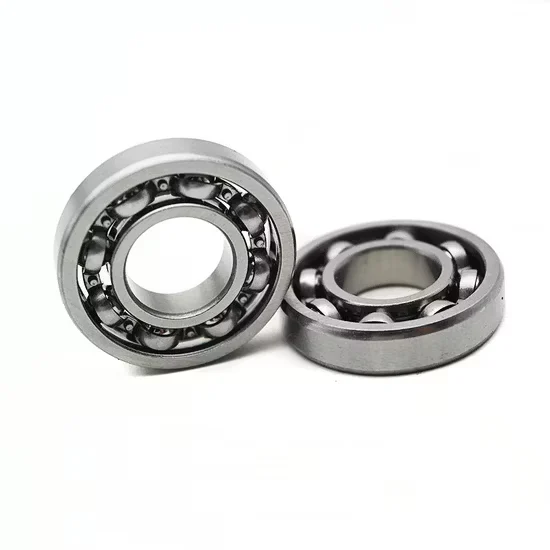
Deep Groove Ball Bearings
6204 Deep Groove Ball Bearing 20×47×14 mm
View Product
Deep Groove Ball Bearings
6003 Deep Groove Ball Bearing for Fan Equipment
View ProductKOYO stock in Greenville, factory orders for the rest
Common KOYO models ship from our North American warehouse; ultra-precision, custom and rare specifications are ordered direct from KOYO, with full export and customs documents.
Check Stock for Your Models- Stock orders dispatched
- 3 working days
- North America warehouse
- Greenville, SC
- Trade terms
- EXW · FOB · CIF · DAP
- Shipping
- Express · Air · Sea
Keep reading
Related KOYO bearing articles
Installation & Maintenance · · 8 min read
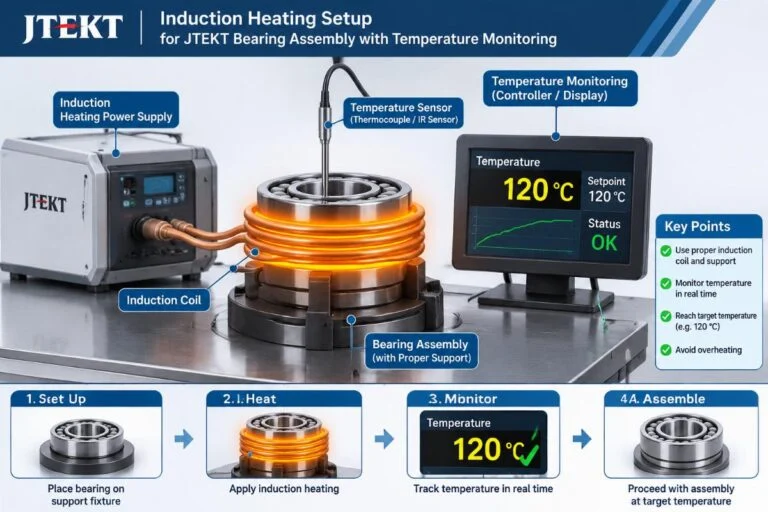
Wholesale JTEKT Bearing Assemblies: Temperature, Noise and Vibration
Properly handling the commissioning JTEKT bearing assemblies process prevents premature seizure caused by installation errors rather than manufacturing defects. Controlling initial run-in temperature, identifying…
Read the Article
Installation & Maintenance · · 7 min read
JTEKT Bearings for Standby Equipment Vibration Control Bulk Supplier
Master JTEKT bearings vibration damage control by correcting installation clearance and enforcing strict humidity control to eliminate startup spikes caused by micro-deformation. Discover proven…
Read the Article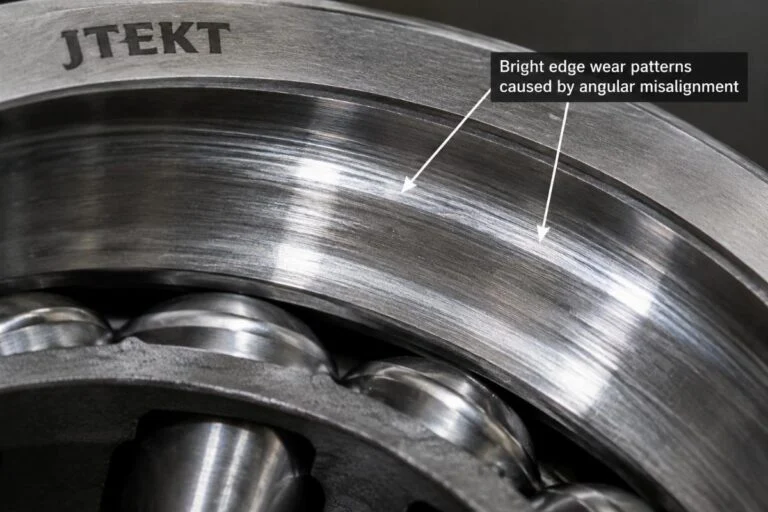
Installation & Maintenance · · 6 min read
Wholesale JTEKT Bearing Assemblies: Misalignment-Induced Loads
Execute precise JTEKT bearing misalignment diagnosis to prevent premature failures caused by sub-millimeter base unevenness and shaft deviation. Discover step-by-step installation checks for soft…
Read the ArticleRequest a Quote
Send your KOYO model list for a consolidated quote
Part Number Company quotes KOYO bearings, seals, lubrication and tools in one proforma invoice, with multi-currency pricing and the documents your customs and QC teams need.
- JTEKT KOYO authorization letter
- KOYO original quality certificate
- Certificate of origin
- Customs, shipping documents and tracking